
Your cart is currently empty!
Blog
-
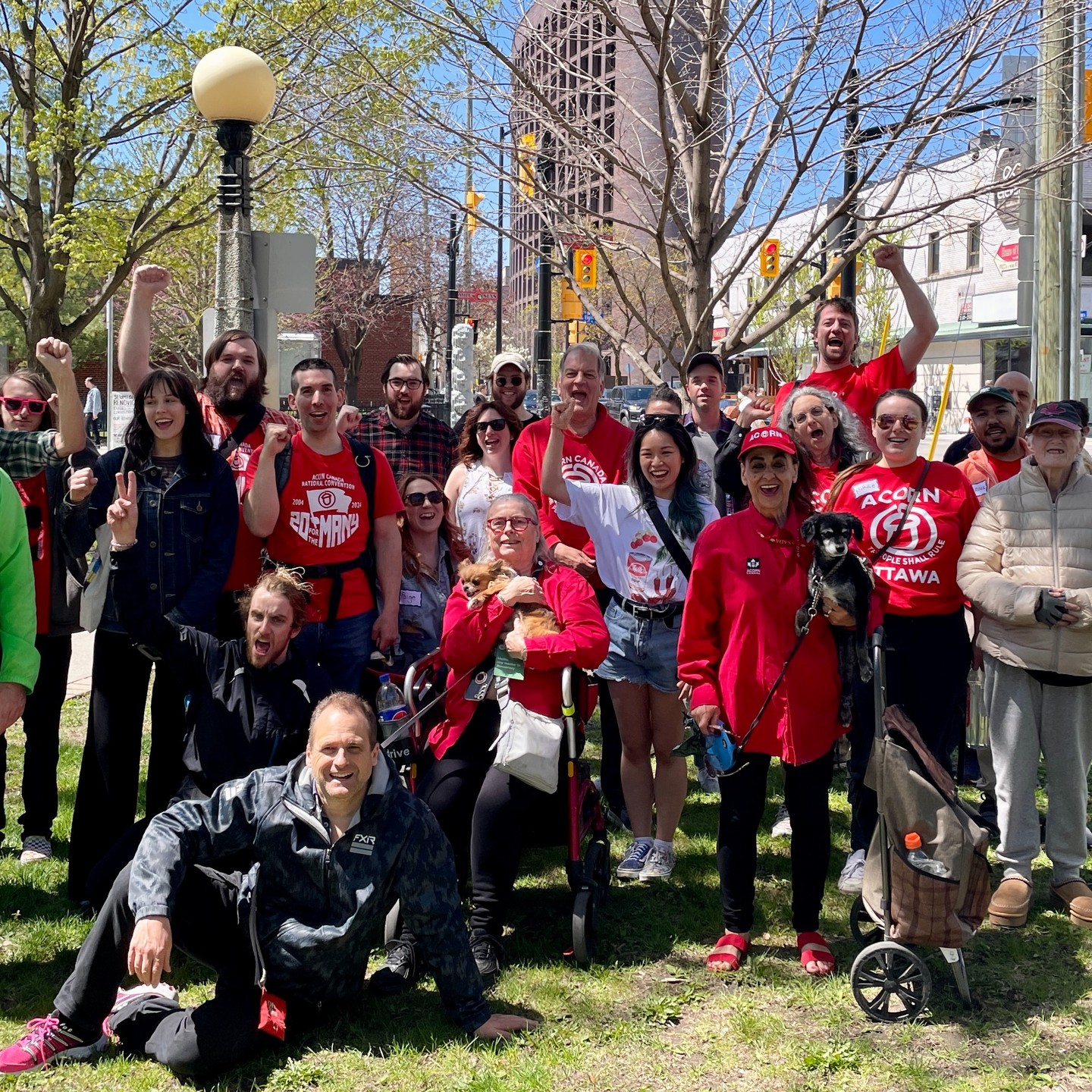
ACORN Ottawa and Waterloo Region Achieve Major Wins for Tenant Protections
ACORN Ottawa hosted a citywide Healthy Homes meeting to demand safe and livable housing and called on the city to implement landlord licensing. Waterloo Region ACORN members secured a major win when the city voted to move foward with a renovication bylaw, a real step toward tenant protections in Kitchener! 27 ACORN members and allies stormed the council chamber to share their lived experiences, and demanding councillors side with tenants, and it worked! The committee voted to move the bylaw forward, becuase they couldn’t ignore the power in the room!
-
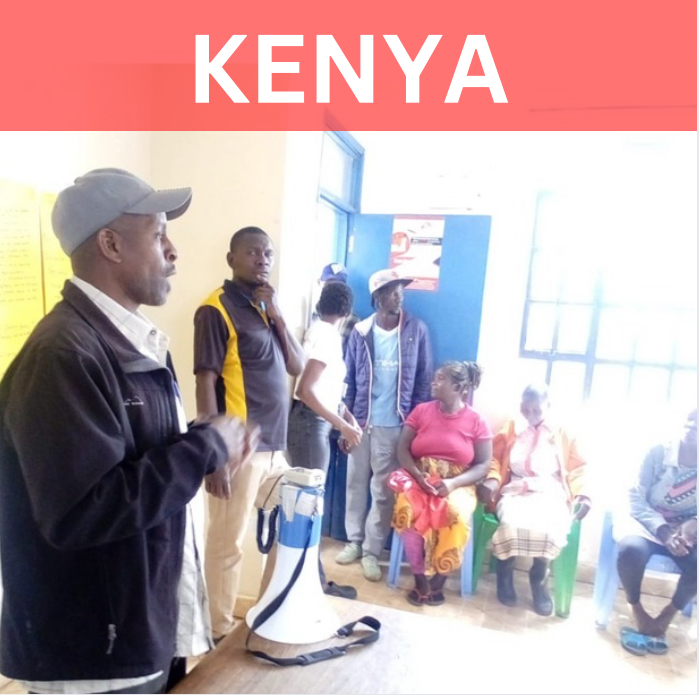
ACORN Kenya Joins Global Action Against Adani and Plans Youth Forum on Unemployment and Mental Health
In June, ACORN Kenya stood in solidarity with protests around the world by hosting their own event against the corrupt Adani Group. They also are planning a youth forum for July, in response to wide-spread protests from Kenyan youth against the government. The forum will focus on issues of wide-spread unemployment, the high cost of living, and mental health.
-

ACORN India Secures Landmark Meeting with Dharavi Redevelopment CEO to Voice Community Demands
As a direct result of mounting international pressure and local organizing, ACORN India secured a major breakthrough: a formal meeting with the Chief Executive Officer of the Dharavi Redevelopment Project, the first time a top redevelopment official has met to address community concerns. The delegation hand-delivered a list of demands outlining concerns and demands from the public, ensuring that the voice of the people was heard loud and clear!
-

OnEstEnsemble Women Complete GBV Training and Strengthen Community Safety in Douala
In Douala, the women of the OnEstEnsemble completed a Gender Based Violence training that prepares women to be leaders in the fight against GBV in their communities. Members also planned out community response plans and designated safe spaces. When we stand together, we can keep our communities safe for everybody!
-

Solidarjetà Wins Full Deposit for Member and Hosts Tenant Rights Workshop in Malta
In Malta, Solidarjetà rallied around a member who was pressured into paying a deposit to secure an apartment. After the member saw more photos and the rental contract, a number of issues and illegalities were found, and with support from the tenant’s union, they were able to get their full deposit returned, marking a major win against shady landlords and rental agents. Members also joined forces with Qawra Community Services to host a highly successful workshop on tenant rights.
-
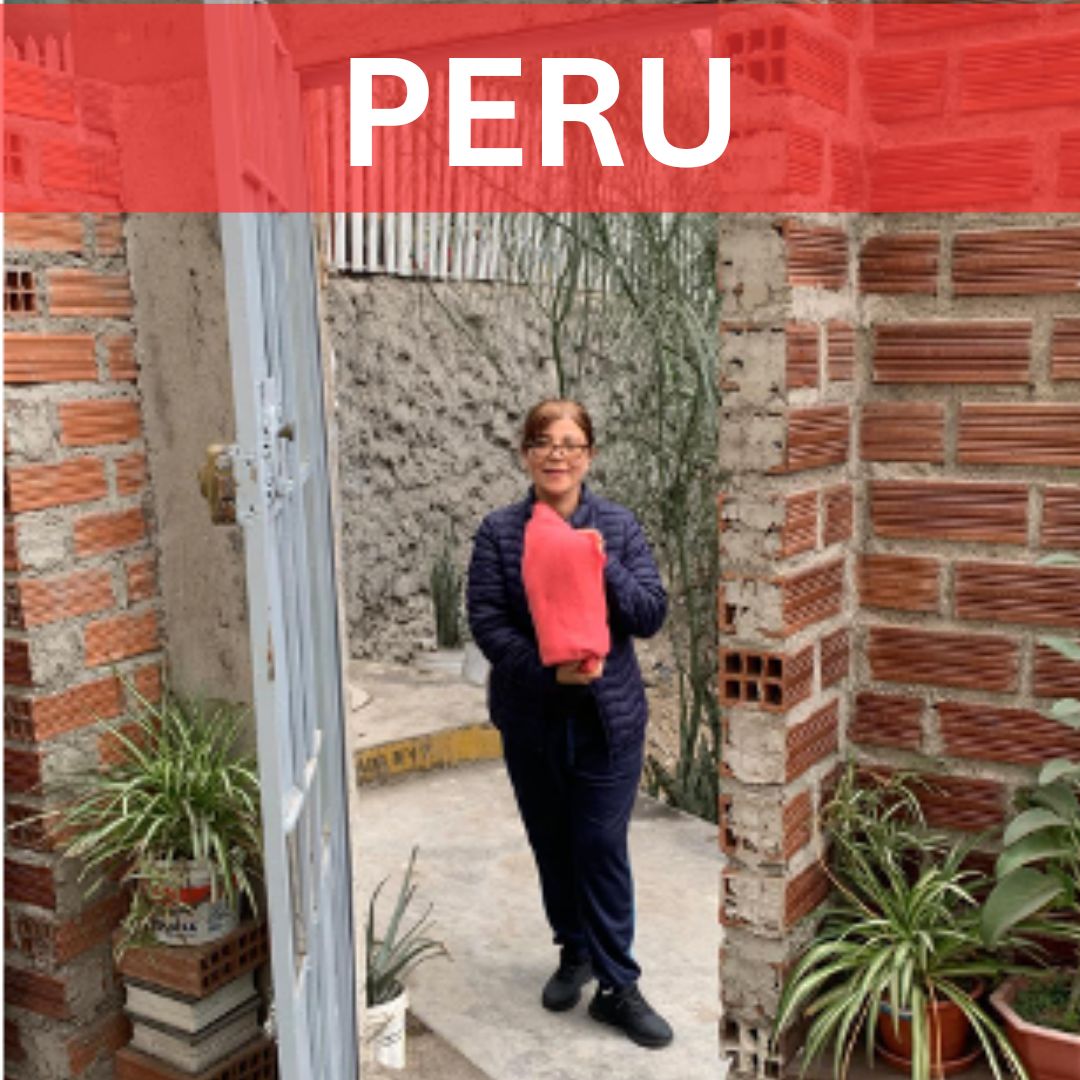
ACORN Peru Supports Communities with Soup Kitchen and Flood Prevention Efforts
This June, ACORN Peru provided vital services through the Cataratas soup kitchen in San Juan, including sourcing furniture and blankets for attendees. In Lima, the season has been unusually cold and rainy, and ACORN members stepped up for the community by starting a vinyl recycling program, which can then be used for a temproary effective strategy to stop leaks and flooding in homes in the area.
-
BEAT THE HEAT: ORGANIZING FOR SURVIVAL IN AN OVERHEATING PLANET
The Earth is warming at an unprecedented rate. The last three years: 2023, 2024 and 2025 are the three hottest years ever recorded in human history – and it is only getting worse.
Temperatures above 35°C/95°F are considered dangerous to human health. Yet, as this year’s report shows, workers and tenants are routinely being forced to live with and work in these temperatures without relief. Heat-related deaths of people older than 65 years increased by 167% last year, compared with the 1990s. Disasters associated with weather-related hazards have almost doubled compared to the previous 20 years.
Heat is the leading cause of weather-related death worldwide and it is low- and moderate-income earners who are most vulnerable.
For tenants
Around the world, the climate change crisis is exacerbating the housing crisis that ACORN members live with everyday.
ACORN tenants are more likely to live in older, multi-family, or substandard rental units that lack modern insulation and energy-efficient cooling systems. Many homes were not built from the extreme heat that people are now experiencing. In urban centers dangerous “heat island” effects mean temperatures stay dangerously high longer and longer. Property owners are reluctant to take on extra costs to address these deficiencies and look to pass costs on to tenants.
In low-income and informal urban settlements, an overheating planet means catastrophe: UN-Habitat projects that climate-related hazards will destroy or render uninhabitable roughly 167 million homes globally by 2040, triggering mass displacement and forcing people into even more precarious, unmonitored housing arrangements.
For workers
The International Labor Organization (ILO) reports that of the world’s workers (roughly 2.4 billion workers) are exposed to excessive heat annually.
For workers who have to be outside – from hawkers to delivery people to municipal workers – heat stress can be deadly. As of 2024, 19,000 workers die of heat-related stress every year and 22.85 million suffer occupational injuries.
For workers affiliated with ACORN, extreme heat often means having to choose between enduring life-threatening heat or losing a job, as protections like “stop-work” heat thresholds, cooling breaks and even basic relief are rarely offered by employers or mandated by governments.
Natural disasters
Extreme heat and global heating make natural disasters more common – and more deadly.
Low-and-moderate income families are often forced by zoning and economic factors to live in high-risk zones – and have the least means to protect themselves and their communities. ACORN members around the world are facing more and more natural disasters – everything from fire to tornadoes – and infrastructure that can’t keep up with the pace of climate change. The UN Department of Economic and Social Affairs points out that public adaptation investments are not only lacking but tend to flow to high-value real estate and commercial districts leaving lower-income communities unprotected and vulnerable.
In many countries, extreme heatwaves themselves are not treated as emergencies – the way other natural disasters are – even though they can be as lethal, especially for low- and moderate-income earners.
Around the planet, ACORN International affiliate members are feeling the heat, and organizing to protect themselves and their communities from a growing climate crisis We are calling on communities, organizations, local governments any anyone receiving this report to join us. Take action to #beattheheat. On July 15, join the International Day of Action.
Find out more at acorninternational.org
ACORN is Organizing:
As our 2025 report noted, the people in India are facing some of the harshest extremes in our heating planet – and ACORN members are the most exposed and at risk. In cities like Delhi temperatures in summer routinely climb above 40°C (104°F). Last year’s record high temperatures have already been matched in 2026 and experts says extreme heat events that were once extreme events are now becoming routine.
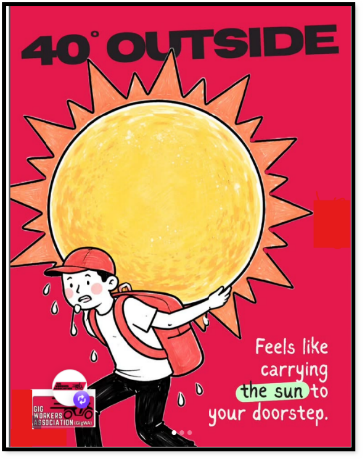
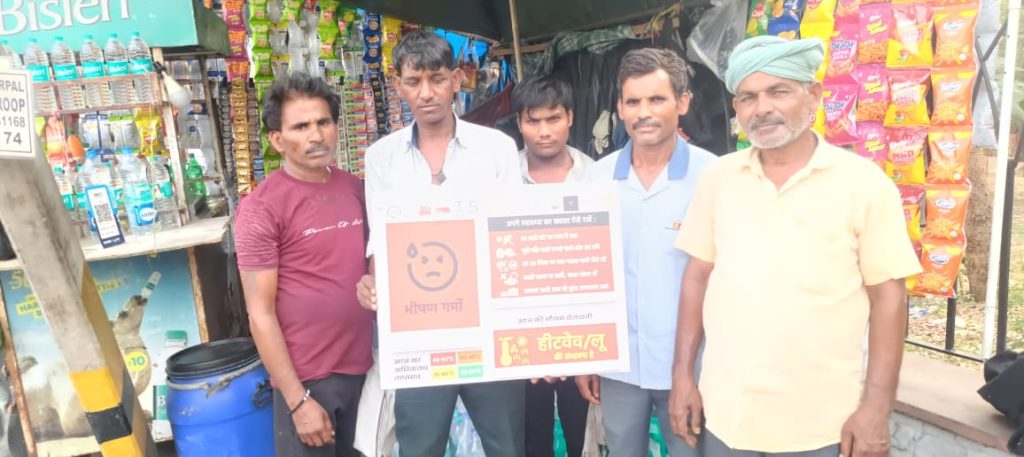
The extreme heat hits gig delivery drivers in India especially hard. Drivers are forced to work in record heat without rest zones, paid heat breaks, or basic safety protocols. Yet the demands for delivery workers only grow more intense.
Over the last year, workers with the ACORN-affiliated the Gig Workers Association have had organizing success – winning recognition of the extreme conditions they face on the job and, more importantly, some basic relief.
Delivery workers associated with online platforms work long hours without guaranteed rest zones, paid heat breaks, or basic heat safety protocols. For years, major online delivery platforms including Blinkit, Swiggy, Zomato, and Zepto built their entire brand around a promise of swift delivery – regardless of the dangers faced by delivery drivers. These dangers are compounded by extreme heat – as the temperature rises those who can afford to stay in cooled spaces are more likely to order. A survey conducted in collaboration with the Gig Workers Association found that delivery drivers routinely work 70 hours a week, a majority lack health insurance despite fatigue and joint pain, and 85% work in extreme heat.
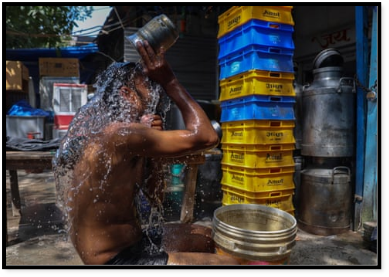
But workers are organizing and advocating for their rights and safety – and are winning change. Over the last year, millions of gig workers have taken action – organizing multiple strikes that have shut down delivery platforms ability to deliver. Including, a strike over the New Year in which an estimated 200,000 workers refused to log on for their shifts.
As a result, governments and employers are being forced to act. In the state of Bihar, Gig Workers Association and allies have won a breakthrough in gig economy regulation with new legislation designed to ensure workers access to compensation for injury, welfare benefits, maternity leave and registration of platforms.
In another victory, arrangements for clean water, mobile charging, washrooms, and a series of rest pods are being provided at various commercial, market, and public places around the State for gig workers who need respite from oppressive heat.
Across the United States, workers are increasingly exposed to dangerous heat as temperatures rise and extreme weather becomes more common. Outdoor workers, sanitation crews, public works employees, and other frontline workers often face long hours in extreme conditions, putting them at risk of heat exhaustion, heat stroke, lost income, and long-term health impacts. While some cities and states have adopted heat safety protections, enforcement remains inconsistent and many workers are still left vulnerable.
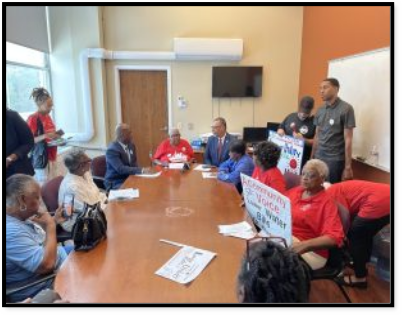
ACORN affiliates and allies are organizing to ensure that heat protections are not only adopted but enforced. In New Orleans, A Community Voice successfully won mandatory heat protections for city and contracted workers. The new law sets clear standards:
- Employers must provide 10-minute breaks every two hours when the heat index is 80–89°F.
- Employers must provide 15-minute breaks every two hours when the heat index is 90°F or above.
- Breaks must be in shaded or cooled spaces, not in direct sun.
United Labor Unions Local 100 in Arkansas is also fighting to ensure existing worker safety standards are properly implemented and monitored. Together, these campaigns are building stronger protections for workers on the frontlines of the climate crisis.
“In defiance of MAGA and mean-spirited policies that keep workers in the sun all day with no breaks, A Community Voice-ACORN met with City Councilmember Oliver Thomas to draw up worker rights protections in an ordinance,”
Debra Campbell, Past President A Community Voice
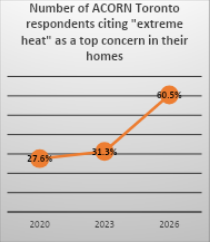
In Canada, tenants have found themselves on the front lines of climate change. Canada is warming at twice the global rate and rental units that were built 50 years ago are now dealing with extreme heat events that they were not designed for. Toronto ACORN’s 2026 “State of Repair” survey found the number of tenant members doubled – with over 60% stating that their apartment was too hot last summer, compared to 31.5% only three years ago. In British Columbia, where a record-breaking heat dome caused 619 heat-related deaths in 2021, ACORN members share these concerns. 65% of tenants surveyed by ACORN BC have experienced extreme heat in their apartments during summer.
Just because we’re tenants doesn’t mean that we deserve to cook to death in our own suites.”
Abi Martin, ACORN Calgary
“Climate change now is real. We see all the heat going up all over the world and it’s very hard to live inside a house that’s feeling like an oven.”
Ottawa ACORN member Hassan Youssouf
In communities across Canada, ACORN members have been organizing and pushing government to set a maximum temperature of 26 degrees Celsius and making it the landlord’s legal responsibility to ensure it. In the last year, they have seen results: Municipal Council in New Westminster, BC has passed a maximum heat by-law, Councils in Toronto and Hamilton are now actively planning for their own by-laws. In Ottawa, Calgary and London, ON, Fredericton and Moncton ACORN members have forced this issue onto the political agenda – as well as winning targeted support for low-income seniors who face the greatest health risks in extreme heat events.
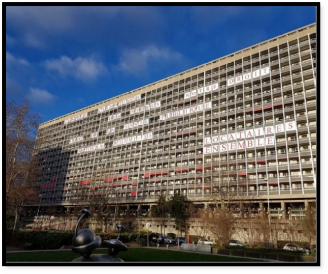
ACORN-affiliated members of Locataire Ensemble in France face similar challenges and have been organizing in French cities like Lyon, Marseille, and Grenoble. Last year, working with Territoire Zéro Logement Passoire (TeZeLoPa), they detailed the dangers facing tenants in Lyon and the failure of landlords to act with their report “Lyon, capitale des logements bouilloires ?” (“Lyon: Capital of Kettle Housing?). The report’s investigation of over 2,000 housing units in central Lyon found:
- 62% of windows lack effective external solar protection, a figure far worse than the national average.
- A quarter of all historic protections have been deliberately removed and never replaced, sacrificed to save on maintenance costs while tenants bear the health consequences.
- 62% of buildings now housing tenants directly under poorly insulated roofs, creating some of the worst “oven” apartments in the city.
- Official energy performance certificates that supposedly warn renters offer no protection whatsoever – leaving tenants with no legal recourse and no way to know the danger before they sign a lease.
Tenant members are fighting back. In June, tenants at 13579 rue du Lac in Lyon marked the first day of summer by installing their own sunshades – in defiance of regulations forbidding them doing so. Once deployed, the sunshades not only regulated heat, they displayed a message visible from afar: “Climate Insecurity, My Right to Renovate, Article 1331-33…”. Article R1331-33 of the Public Health Code, is a rarely enforced section that is supposed to guarantee the right to a “functional and sufficient heating regulation system”
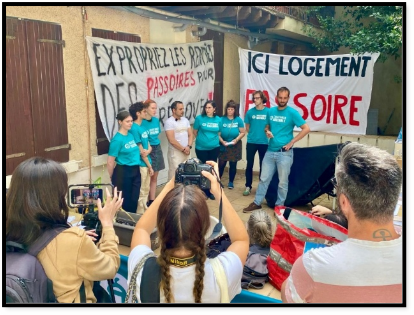
Tenants presented findings into a study of extreme heat they endure to their landlord. They then called on the local Deputy Mayors to admire their handywork – but more importantly to start enforcing the public health code.
« L’injustice climatique, c’est subir le réchauffement sans pouvoir s’en protéger, c’est ce qu’on subit dans la barre rue du Lac. Aujourd’hui, on rénove nous-même malgré l’interdiction qui nous est faite ».» (“Climate injustice means enduring global warming without being able to protect oneself from it, which is what we’re experiencing…. Today, we’re fixing it ourselves.”)
Daphné Rozet, Locataires Ensemble Member
Members of ACORN’s new chapter in Cleveland, Ohio, USA are also dealing with buildings that were not designed to withstand record- breaking heatwaves that are more and more common. Many ACORN members are renting homes that have cooling equipment like air conditioners, but too often they simply do not work, and landlords fail to provide repairs and upkeep.
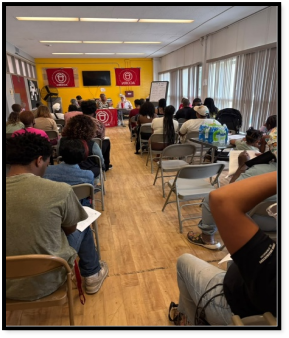
The U.S. Department of Housing and Urban Development provides cash subsidies to landlords providing affordable housing. In exchange, those landlords are required to keep apartments in a state of repair – that includes cooling that actually works. ACORN members are currently organizing to push landlords to deliver on their responsibilities.
Scotland may not experience the extreme temperatures seen elsewhere, but even modest increases in heat can rapidly dry out landscapes, increasing the risk of wildfires that threaten homes, communities, wildlife, and public infrastructure. Recent wildfire incidents have prompted warnings from emergency officials, who cautioned that warm, dry conditions can quickly create dangerous fire risks. As climate change brings more frequent periods of hot, dry weather, resilient and well-resourced emergency services are becoming increasingly essential.

In Edinburgh, ACORN-affiliate Living Rent, alongside the Fire Brigades Union, community groups, and elected officials organized to oppose the closure of Marionville Fire Station in Edinburgh. Campaigners argued that closure plans fail to account for thousands of new homes being built in the area and come at a time when fire services are already stretched.
Freedom of Information requests revealed that backup fire engines at nearby stations were unavailable more than 1,100 times in a single year, raising serious concerns about emergency response capacity during wildfires, heat-related emergencies, and other climate-driven events. The organizing forced the Fire and Rescue Service Board to back off plans for closure and organizing continues to ensure a commitment to refurbishing or rebuilding the station.
In Kenya, global warming has triggered a “climate whiplash” of prolonged droughts followed by sudden, intense downpours. Nairobi has been identified as having one of the most intensifying climates in the world and has a growing wastewater crisis. For ACORN Kenya members organizing in Nairobi this a matter of public health.
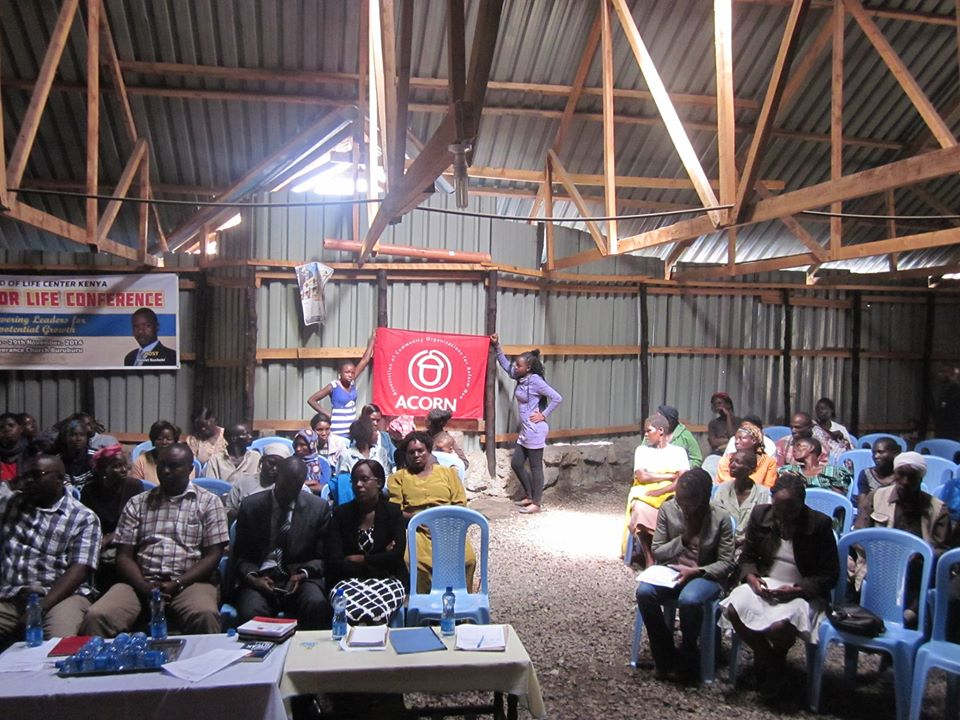
The community’s neglected, poorly maintained sewer lines are caught in a destructive loop: dry spells harden blockages within the pipes, which are then violently ruptured and overwhelmed by heavy flash floods – leaving members dealing with overflowing waste and unhealthy living conditions. In the face of intimidation from landlords, community members are meeting and organizing to push government to address problems that have been ignored for too long.
An overheating planet has also created new weather threats across the American Southeast. After years of denying the link between global warming and weather events like tornadoes, climate skeptics now can’t ignore the science: tornados are happening more often in the Mississippi River Valley and the trend will only increase with global warming. Louisiana has been hit by more than 100 tornados since 2023, often at night and sometimes during hurricanes ACORN-affiliate A Community Voice has been organizing for New Orleans to install an outdoor warning system since 2017 – and have built a growing consensus on the need for them.
Rising temperatures have also made flash flooding much more frequent. In Arkansas and Louisianna, a coalition between Anthropocene Alliance and ACORN members have formed Arkansas Grassroots United and Louisiana Grassroots United – work to protect vulnerable communities from climate catastrophes in their States. Flood warnings are a key battleground as State officials continue to deny the growing threat and the growing need to protect communities facing increased flood risk.
Across the US, the explosive growth of AI data centers is fueling a local resource crisis trapped in a destructive feedback loop with climate change and extreme heat. Frontline communities are witnessing how these massive server hubs strained by rising global temperatures exhaust municipal power grids and guzzle millions of gallons of water daily just to keep from overheating.
This massive utility drain directly compounds the dangers of intense, prolonged summer heatwaves—leaving residents to face skyrocketing electricity bills, threatened water supplies, and a heightened risk of blackouts during peak temperature spikes. In response to tech giants operating behind closed doors with local officials, community members are organizing, mobilizing, and using legal toolkits to demand statewide moratoriums and transparency, forcing governments to protect public health before corporate profit.
What we need to see:
- Safe, climate resilient housing for all
- Access to water, cooling, shade, and public facilities
- Strong heat protections for workers
- Affordable energy and protection from utility shutoffs
- Investment in climate resilient public services and emergency response
- Community leadership in climate planning and decision making
- Treat extreme heat waves as the natural disaster they clearly are
These are the issues facing low-and moderate-income earners wherever they live in the world.
In Canada:
In municipalities across Canada, ACORN is running “Beat the Heat” campaigns focussed on key demands:
- A maximum heat bylaw that requires landlords to keep units below 26 degrees
- Cities to track heat related deaths and illnesses
- Programs to support tenants with the cost of running energy efficient AC/heat pumps
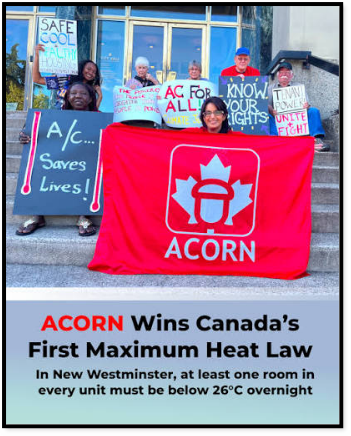
Other Canadian sections are focussed on demands for cooling subsidies, energy rebates and changes to property codes that will allow members to heat-proof their homes.VICTORY: In April, Municipal Council in New Westminster, BC has passed a by-law mandating at least one room in every rental unit be kept at 26 degrees Celsius or below.
At a national level, ACORN Canada is pushing for climate justice, demanding green infrastructure retrofit partnerships and agreements from the Canada Infrastructure Bank, Ministry of Housing, Infrastructure and Communities, or CMHC must include:
- Affordability and anti-eviction covenants
- Energy efficiency and mechanical cooling measures
- Allowance of other improvements before energy efficiency and mechanical cooling
- Require landlords to demonstrate benefits for tenants.
- Signed agreements from the landlord made transparent to the tenants
- Formal tenant participation
- Community Benefit Agreements – Agreements signed by the financing entity, the landlord and the tenants.
In France:
Locataires Ensemble is calling on municipal leaders, starting with the Mayor of Lyon, to enforce the public health code right to “functional and sufficient heating regulation systems” and for the right to renovate their homes to protect from extreme heat.
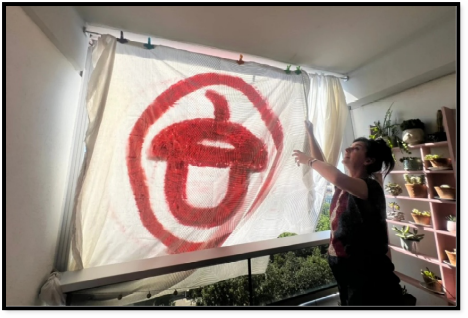
Locataires Ensemble is also organizing for accountable responsible retrofits, including:
- Comprehensive mapping of building energy efficiency to identify “leaky” inefficient buildings
- Support for tenants including subsidized energy audits and legal services
- Penalties for landlords who refuse to make needed upgrades
In India:
ACORN India and the Gig Workers Association are demanding that India’s Ministry of Labour and Employment app-based aggregators including Zomato, Swiggy, Blinkit, Zepto, Ola, Uber, Amazon:
- Recognize extreme heat as an occupational hazard and make worker safety non-negotiable.
- Provide climate hazard pay during red-alert heatwave days.
- Equip all delivery workers with protective gear such as UV-resistant clothing, caps, hydration kits (ORS), and access to clean water.
- Build or designate cooling/rest stations in high-traffic areas where workers can take shade during peak heat
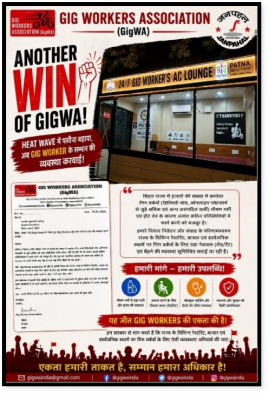
In conjunction with Hawkers Joint Action Committee ACORN India is also calling on governments to develop and expand social security mechanisms for workers exposed to extreme heat, particularly those in the informal economy, including include heat-risk insurance, income-loss compensation during periods of extreme heat, emergency cash transfers and expanded access to health and welfare benefits.
Victory: In the state of Bihar, Gig Workers Association and allies have won a breakthrough in gig economy regulation with new legislation designed to ensure workers access to compensation for injury, welfare benefits, maternity leave and registration of platforms.
In the USA:
Demands:
- Don’t force families to choose between overheating and eviction. Cancel plans to scrap the Low-Income Home Energy Assistance Program (LIHEAP) and re-hire the staff needed to run it.
- Uphold the right of tenants in affordable housing to air-conditioning that works by enforcing landlord regulations.
- Stop forcing outdoor workers to risk heat injury by mandating employers to provide mandatory breaks, shade, water and safety protocols for outdoor workers when temperatures exceed 80 degrees.
- Protect communities most at risk in natural disasters, including installing warning systems, expanded community cooling resources, heat alerts, and resilience planning and banning utility shut-off bans during heat emergencies
Victory: A Community Voice won a New Orleans ordinance requiring paid heat breaks and access to shaded or air-conditioned rest areas for city and contracted workers. The ordinance requires 10-minute paid breaks every two hours when the heat index reaches 80°F–89°F and 15-minute paid breaks every two hours when the heat index reaches 90°F or higher.
Join your local campaign. Organize.
Take Action. Demand Change.
Email Us to Join the Global Action
Send email -
Sign the Petition: BEAT THE HEAT!
Extreme heat is deadly and it’s only getting worse. Climate change is fueling longer, hotter summers, and low and moderate income people are being left to suffer the consequences.
Tenants are baking in unsafe apartments.
Delivery workers are being forced to work in 45°C heat.
Governments and corporations are doing too little, too late. OSHA heat protections rolled back for outdoor workers.We demand urgent action from governments, landlords, and corporations to protect the people most at risk — not someday, NOW.
✊ We Call For:
🔹 Cooling as a right: Max temperature bylaws and retrofits with tenant protections.
🔹 Worker protections: Heat breaks, hazard pay, and rest zones for gig and informal workers.
🔹 No heat profiteering: Stop evictions and rent hikes tied to “green” upgrades.
🔹 Public investment: Fund energy poverty programs and safe, sustainable housing for all.
🔹 Reinstate and expand OSHA heat protections for all US workers -
Beat The Heat
July 15th Global Day of Action
Deadly heat is rising.
Tenants, workers, and vulnerable communities are paying the price.

This July 15th, join ACORN members around the world to demand climate justice that protects people.
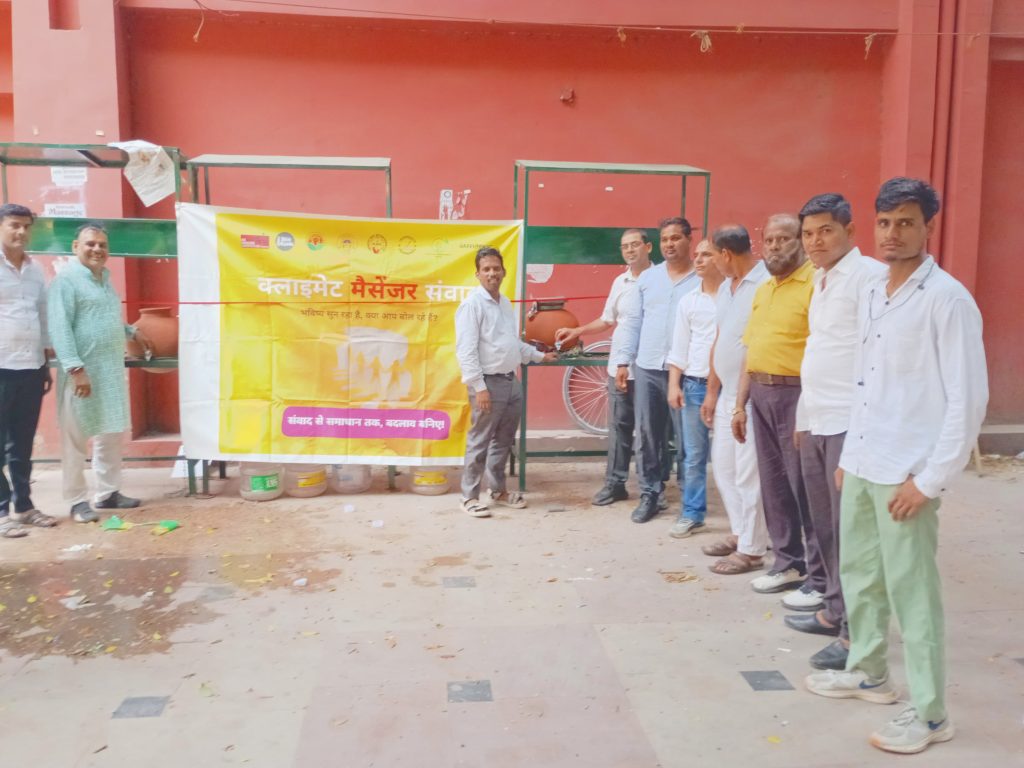
✅ Protests, petitions & public pressure
✅ Tenant demands for cooling and retrofit justice
✅ Workers fighting for heat safety and rights.📢 It’s time to put the freeze on rising heat. Join your local action or organize your own today!
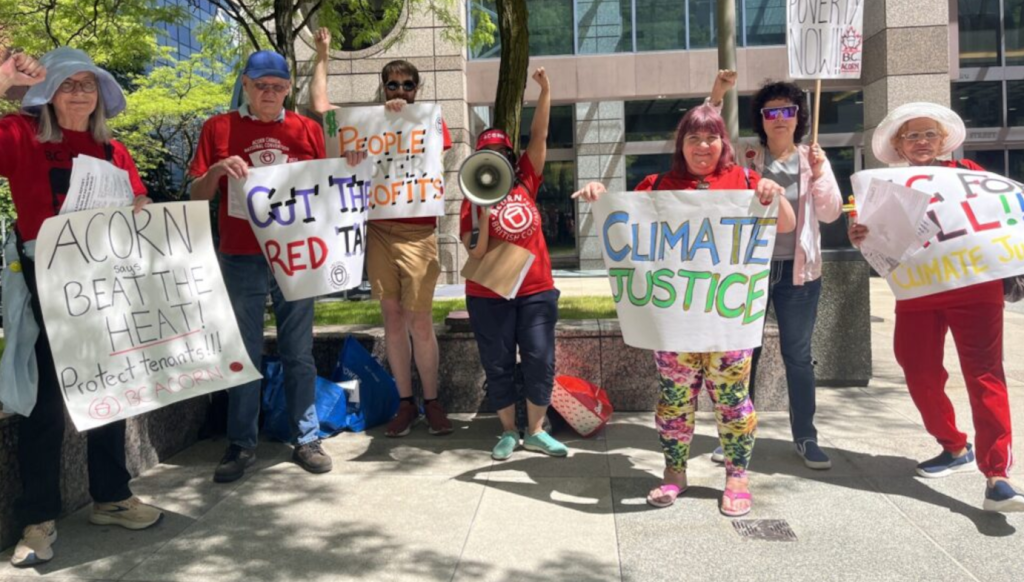
Because if we don’t fight back together… we’ll get cooked.
Extreme Heat
Extreme heat is the deadliest weather event, killing 489,000 people globally each year. Nearly 19,000 of these deaths are workers exposed to extreme temperatures. Due to the climate crisis, the problem is rapidly escalating: over 4 billion people experienced 30+ days of extreme heat last year alone.
Who Is Most Affected?
Low and moderate income people face the worst impacts, whether through unsafe housing or heat-exposed jobs. Vulnerable populations include seniors, infants, pregnant people, warehouse laborers, farmworkers, street vendors, and gig-workers .
What We are Seeing Across the Globe
🇮🇳 India – Janpahal & GiG Workers Association (GiGWA)
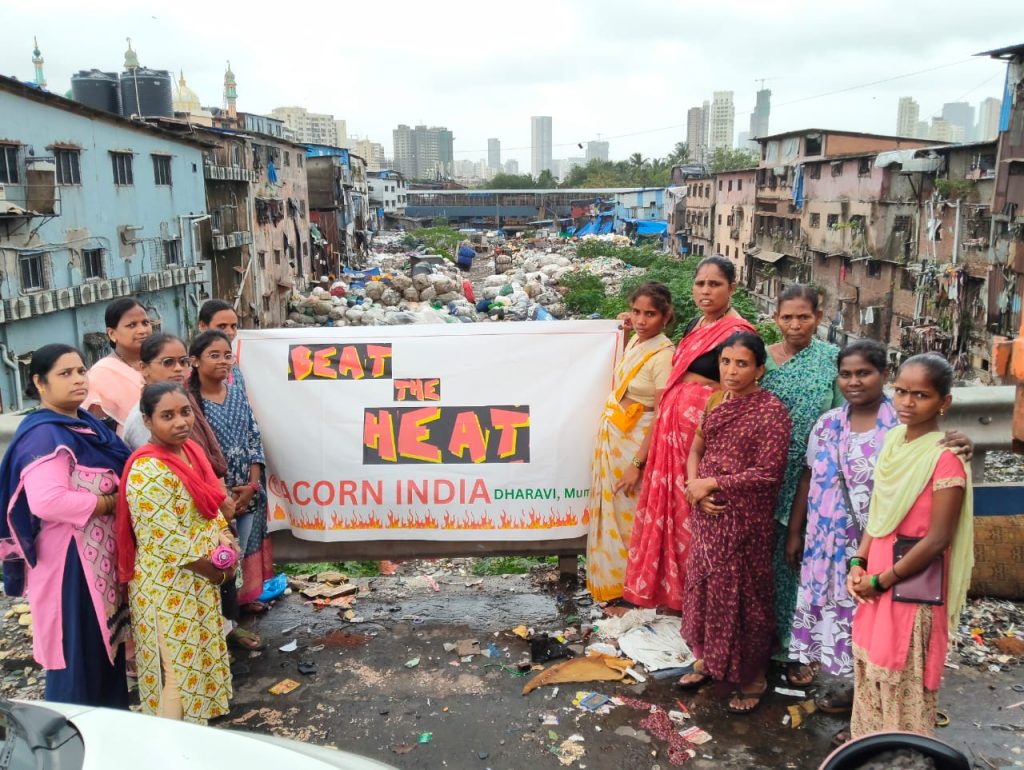
India is at the epicenter of the global heat crisis, with 95 of the world’s 100 hottest cities and rising temperatures creating dangerous conditions for millions of workers.
Street vendors and gig workers face extreme heat with little protection, falling incomes, growing health risks, and increasing debt. Despite making up a large share of the workforce, they are often excluded from Heat Action Plans and climate resilience policies.
Demands:
- Access to free drinking water, shaded rest areas, and public toilets
- Heat resilient vending zones with cooling, storage, and shelter
- Recognition of extreme heat as a labor rights and occupational safety issue
- Protection from eviction and harassment for informal workers
- Meaningful participation of workers in city climate planning and Heat Action Plans
Victory:
- India’s Meteorological Department now issues public heat warnings following years of organizing and advocacy by ACORN affiliates and allies.
🇨🇦 Canada – ACORN Canada
As the climate crisis continues to heat up cities across Canada, low and moderate income tenants are being left in dangerously hot homes. ACORN Canada’s 2025 report, Crumbling Apartments in a Warming World, surveyed 700 tenants and found that nearly 65% live in older apartment buildings built before the 1980s, where poor maintenance and energy inefficiency make extreme temperatures even harder to endure.
The report reveals a growing climate justice crisis. Tenants across the country are experiencing poor sleep, fatigue, headaches, and worsening health conditions due to extreme heat. 44% lack access to air conditioning, while others face rising energy costs, drafty windows, poor ventilation, outdated appliances, and an inability to control indoor temperatures. Despite widespread concern about climate change, few tenants have access to government programs that could help make their homes safer, cooler, and more energy efficient.
Tenants should not bear the financial burden of adapting to a climate crisis they did little to create. Governments, financial institutions, and landlords must ensure that climate resilience measures protect both housing affordability and tenant health.
Demands:
- Affordability and anti-eviction protections in all publicly financed retrofit projects
- Energy efficiency upgrades and mechanical cooling measures for rental housing
- Coverage for all rental housing types, from townhomes to high-rises
- Tenant participation in climate planning and retrofit decision making
- Transparent agreements and Community Benefit Agreements involving tenants, landlords, and financing entities
- Maximum indoor temperature protections for tenants during extreme heat events
Victories:
- New Westminster ACORN won a rule preventing landlords from banning air conditioners and pushed the city toward Canada’s first maximum indoor temperature bylaw.
- Toronto ACORN secured a commitment for a draft maximum heat bylaw to return to City Council by May 2026.
- Ottawa ACORN helped win $100,000 in the city budget for a pilot program providing air conditioning to low income tenants.
- Hamilton ACORN won a rule requiring landlords that provide cooling to keep apartments below 26°C.
- New Brunswick ACORN launched the AC for All campaign to secure affordable air conditioning and mini-split access for low income tenants.
Across the country, ACORN chapters continue organizing for cooling justice, healthier homes, and stronger protections for tenants facing extreme heat.
🇫🇷 France – Locataires Ensemble
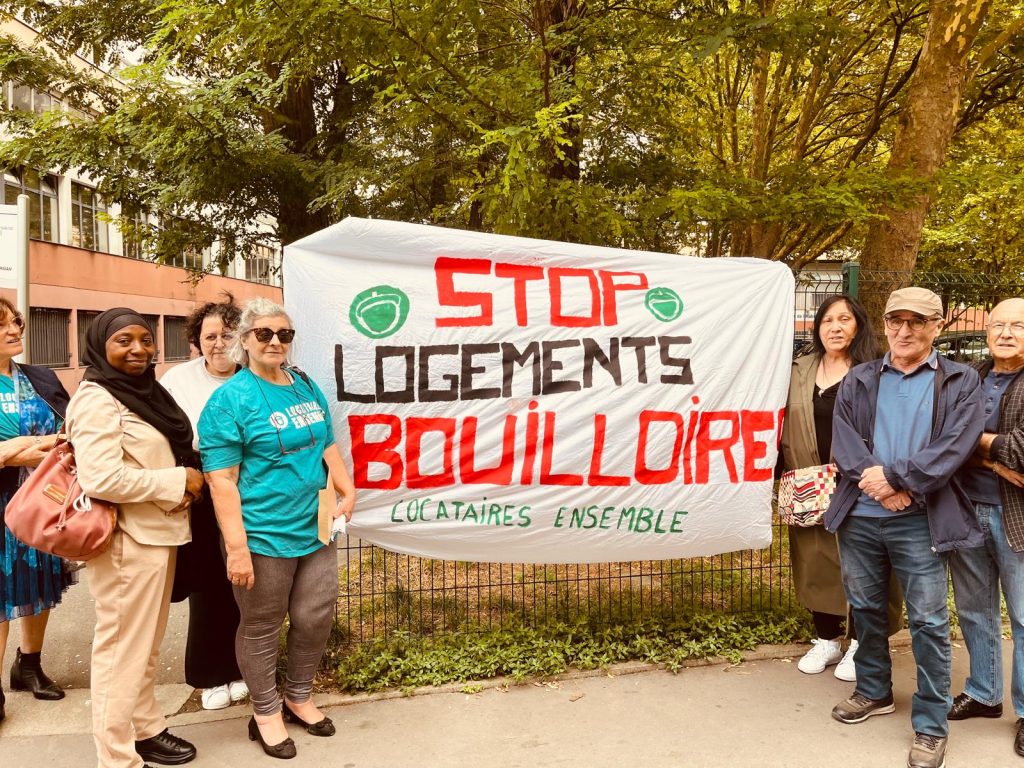
Across France, thousands of tenants are trapped in “Logements Bouilloires” homes that become dangerously hot during summer heatwaves. Poor insulation, lack of exterior shutters, inadequate ventilation, and urban heat island effects can push indoor temperatures above 40°C, creating serious health risks including exhaustion, sleep deprivation, stress, and heat related illness. According to the Fondation pour le Logement, nearly one in three homes in France may be considered a “Logement Bouilloire.”
Locataires Ensemble is organizing tenants in Lyon, Villeurbanne, Paris, and beyond to expose the scale of the crisis and win protections for renters. Working alongside Territoire Zéro Logement Malade, tenants are mapping overheating homes, conducting heat diagnostics, and building collective power to hold landlords and public officials accountable. As heatwaves become more frequent and intense, tenants are demanding homes that protect health instead of putting lives at risk.
Demands:
- Mandatory installation of shutters, ventilation, and other cooling measures in overheating homes
- Recognition of overheating housing as a public health issue
- Heat resilience standards for rental housing
- Support for tenant led heat diagnostics and legal enforcement
- Stronger protections for tenants seeking climate related building improvements
Victories:
- More than 14,700 people signed a petition demanding action on overheating housing in Lyon.
- Tenant organizing secured heat audits and commitments for improvements from major landlords, including the Compagnie Foncière Lyonnaise.
- A citywide housing compliance framework addressing overheating homes is being developed in Lyon and is expected to serve as a model for other French cities.
The Logements Bouilloires campaign has helped elevate overheating housing as a national issue, contributing to legislative proposals and broader climate justice advocacy across France.
🏴 Scotland – Living Rent
Scotland may not experience the extreme temperatures seen elsewhere, but even modest increases in heat can rapidly dry out landscapes, increasing the risk of wildfires that threaten homes, communities, wildlife, and public infrastructure. Recent wildfire incidents have prompted warnings from emergency officials, who cautioned that warm, dry conditions can quickly create dangerous fire risks. As climate change brings more frequent periods of hot, dry weather, resilient and well-resourced emergency services are becoming increasingly essential.
Living Rent is organizing alongside the Fire Brigades Union, community groups, and elected officials to oppose the closure of Marionville Fire Station in Edinburgh. Campaigners argue that closure plans fail to account for thousands of new homes being built in the area and come at a time when fire services are already stretched. Freedom of Information requests revealed that backup fire engines at nearby stations were unavailable more than 1,100 times in a single year, raising serious concerns about emergency response capacity during wildfires, heat-related emergencies, and other climate-driven events.
Demands:
- Keep Marionville Fire Station open
- Protect and expand frontline fire and emergency services
- Ensure climate resilience planning accounts for population growth
- Invest in emergency response capacity for wildfires and extreme weather
- Guarantee communities have rapid access to fire protection services
Victory:
- Fire chiefs forced to abandon closure plans and conduct further analysis of fire coverage in Edinburgh
- Growing public recognition of the link between extreme heat, wildfire risk, and the need for well-funded emergency services
- Campaign now pushing for long-term investment to rebuild or refurbish the station and protect communities from future climate-related emergencies
🇨🇲 Cameroon – Syndicat des Travailleurs Saisonniers de la Filière Canne à Sucre (SOSUCAM)
Across Cameroon’s sugar cane plantations, seasonal workers face extreme heat, dangerous working conditions, and a lack of basic protections while performing physically demanding labor outdoors. In January 2025, around 4,000 workers went on strike demanding better pay and safer conditions. After two weeks of peaceful protest, the response was severe, with armed forces deployed against striking workers, resulting in the death of union member Gaston Djora and injuries to others. Despite limited wage concessions, workers continue to face unsafe conditions and a lack of formal recognition for their union.
Workers are organizing for dignity, safety, and the right to collective bargaining in conditions where extreme heat and workplace hazards directly threaten their lives and health. They are demanding an end to repression and real protections that ensure agricultural labor can be carried out safely and sustainably.
Demands:
- Decent work and fair wages for all seasonal agricultural workers
- Safe working conditions that reduce workplace injuries and deaths
- Formal recognition of the workers’ union and inclusive collective bargaining rights
- An end to union repression and retaliation against organizing
- Access to adequate onsite medical care and improved workplace health services
- Clear systems to protect injured workers, including safe return-to-work pathways and appropriate sick leave protections
- Public environmental and social risk management plans that address workplace hazards and accident prevention
Victory:
- Following the 2025 strike, SOSUCAM made limited wage concessions, but workers continue organizing for full recognition, safety protections, and the right to collective bargaining in the face of ongoing repression.
🇰🇪 Kenya – ACORN Kenya
Across Nairobi, climate change is creating a dangerous cycle of prolonged drought followed by intense rainfall, overwhelming aging infrastructure and putting low income communities at risk. Poorly maintained sewer systems are cracking during dry periods and overflowing during heavy rains, exposing residents to raw sewage, waterborne disease, and unsafe living conditions. As extreme weather becomes more frequent, communities are organizing to demand the infrastructure investments needed to protect public health and build climate resilience.
Demands:
- Repair and upgrade neglected sewer and drainage infrastructure
- Invest in climate resilient wastewater systems for low income communities
- Hold landlords and public authorities accountable for unsafe living conditions
- Prioritize underserved neighborhoods in climate adaptation planning
- Ensure meaningful community participation in infrastructure and public health decisions
🇺🇸 United States – A Community Voice & Local 100 Arkansas
Across the United States, workers are increasingly exposed to dangerous heat as temperatures rise and extreme weather becomes more common. Outdoor workers, sanitation crews, public works employees, and other frontline workers often face long hours in extreme conditions, putting them at risk of heat exhaustion, heat stroke, lost income, and long-term health impacts. While some cities and states have adopted heat safety protections, enforcement remains inconsistent and many workers are still left vulnerable.
ACORN affiliates and allies are organizing to ensure that heat protections are not only adopted but enforced. In New Orleans, A Community Voice successfully won mandatory heat protections for city and contracted workers, while Local 100 Arkansas is fighting to ensure existing worker safety standards are properly implemented and monitored. Together, these campaigns are building stronger protections for workers on the frontlines of the climate crisis.
Demands:
- Mandatory enforcement of worker heat safety protections
- Guaranteed access to water, rest, and shade during extreme heat
- Strong oversight and accountability for employers and public agencies
- Heat illness prevention training and acclimatization programs
- Utility shut-off bans during heat emergencies
- Expanded community cooling resources, heat alerts, and resilience planning
Victory:
- A Community Voice won a New Orleans ordinance requiring paid heat breaks and access to shaded or air-conditioned rest areas for city and contracted workers. The ordinance requires 10-minute paid breaks every two hours when the heat index reaches 80°F–89°F and 15-minute paid breaks every two hours when the heat index reaches 90°F or higher.
Organizers continue working with the City of New Orleans to strengthen Heat Action Plans, expand cooling protections, and build community resilience to extreme heat.
Local 100 Arkansas continues organizing to ensure existing worker protections are enforced and that public employees have the resources and oversight needed to stay safe during extreme heat events.
What We Need to See:
- Recognition of extreme heat as the new normal
- Inclusive, equitable retrofits
- Tenant involvement in all housing/climate policies
- Protections for informal and gig workers
- Heat protections for outdoor workers
Join the Movement: Across the globe, ACORN affiliates are organizing to Beat the Heat. We are demanding action from landlords, employers, and governments to protect the people most at risk.
Join your local campaign. Organize.
Take Action. Demand Change.
Email Us to Join the Global Action
Send email
-

Join the 2025 Organizers’ Forum in Romania and Bulgaria
Connect with local and international organizers for a deep dive into the most effective strategies in community organizing today. From cutting-edge grassroots mobilization tactics to communication skills and electoral campaigning, the Organizers’ Forum is a unique space to share experiences, sharpen tools, and build collective power across borders.
This year, the Forum heads to Romania and Bulgaria, where participants will meet with local organizations and activists fighting for women’s rights, environmental justice, fair housing, and more. Join organizers from across the ACORN network and beyond for a powerful week of learning, solidarity, and action.
🛫 Spots are limited
Email wade@chieforganizer.org or rachel@chieforganizer.org to reserve your spot.to reserve your spot. Planning is underway, so stay tuned for updates!
Looking Back: Highlights from the 2024 Organizers’ Forum in Taiwan
Last year, the Organizers’ Forum traveled to Taipei, Taiwan, meeting with some of the most inspiring grassroots groups in the region.
📌 New Bloom Magazine
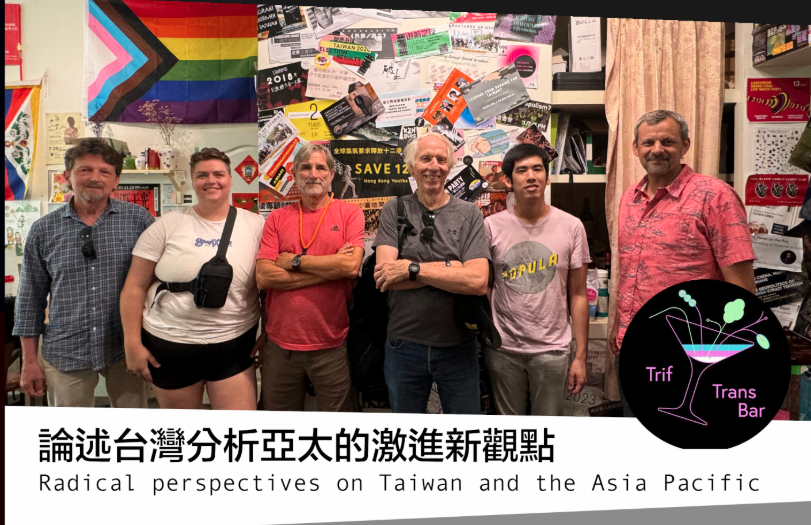
Our visit to New Bloom offered a compelling glimpse into the intersection of media, activism, and community in Taiwan. Not just an online newspaper, New Bloom also serves as a vibrant social space for political and cultural discussion. We learned from founder Brian Hioe about the challenges of independent media and its vital role in shaping public discourse.
📌 Migrant Workers Organizing: TIWA & SPA
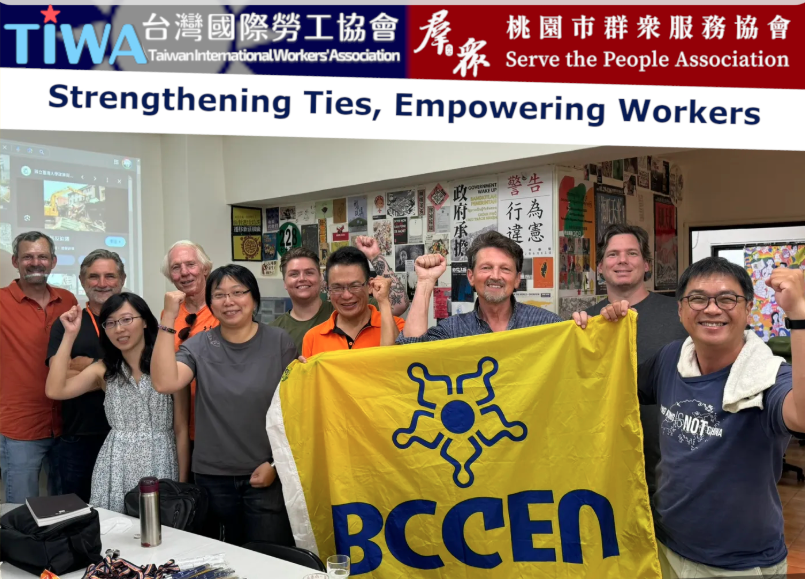
The Forum delegation also met with the Taiwan International Workers Association (TIWA) and the Serve the People Association (SPA) to better understand the struggles of Taiwan’s 800,000 migrant workers. These essential workers, especially in long-term care, often face exploitative broker contracts, high fees, and legal barriers to equality.
TIWA is leading campaigns to regulate these exploitative practices, while SPA provides direct support, shelter, and policy advocacy for migrant workers. Both groups are doing critical work to defend rights and restore dignity to those whose labor is too often invisible.
Read more about our Taiwan trip here:
👉 Migrant Workers in Taiwan: Critical but Oppressed📌 Green Citizens Action Alliance & Taiwan Climate Action Network
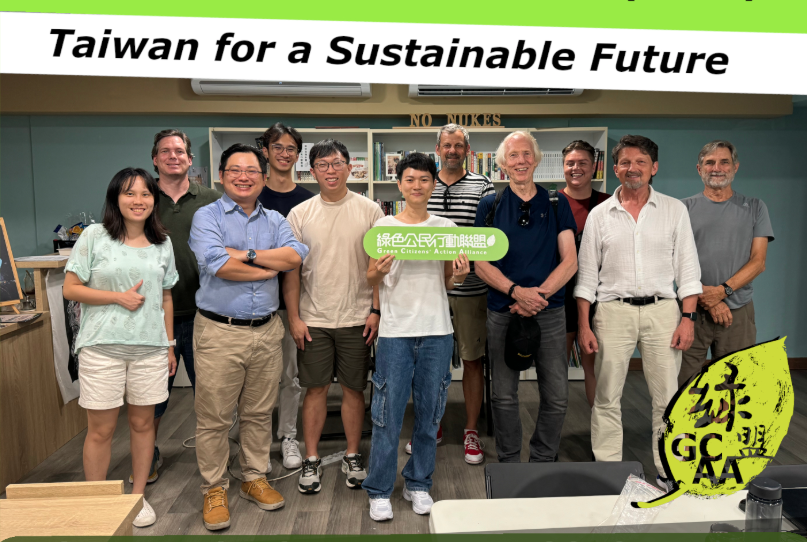
We also met with Green Citizens’ Action Alliance (GCAA) and the Taiwan Climate Action Network to discuss pressing climate challenges in Taiwan — from the nuclear power debate to the intensifying effects of typhoons and earthquakes. These groups are leading efforts for environmental justice through grassroots advocacy and research-driven campaigns.
We left Taiwan inspired by these movements and deeply committed to continuing our international solidarity work.
Why It Matters
The Organizers’ Forum is more than a trip — it is a global exchange of strategy, solidarity, and struggle. From Taiwan to Romania, our mission is to connect organizers, build relationships, and strengthen movements that fight for justice everywhere.
If you are an organizer ready to grow your skills, deepen your international perspective, and build long-term solidarity with movements around the world, this is your chance. Join us in Romania and be part of a powerful delegation committed to learning, sharing, and taking action together.
Email wade@chieforganizer.org or rachel@chieforganizer.org to reserve your spot.