
July 15th Global Day of Action
Deadly heat is rising.
Tenants, workers, and vulnerable communities are paying the price.

This July 15th, join ACORN members around the world to demand climate justice that protects people.
✅ Protests, petitions & public pressure
✅ Tenant demands for cooling and retrofit justice
✅ Workers fighting for heat safety and rights.
📢 It’s time to put the freeze on rising heat. Join your local action or organize your own today!
Because if we don’t fight back together… we’ll get cooked.
Extreme Heat
Extreme heat is the deadliest weather event, killing 489,000 people globally each year. Nearly 19,000 of these deaths are workers exposed to extreme temperatures. Due to the climate crisis, the problem is rapidly escalating: over 4 billion people experienced 30+ days of extreme heat last year alone.
Who Is Most Affected?
Low and moderate income people face the worst impacts, whether through unsafe housing or heat-exposed jobs. Vulnerable populations include seniors, infants, pregnant people, warehouse laborers, farmworkers, street vendors, and gig-workers .
What We are Seeing Across the Globe
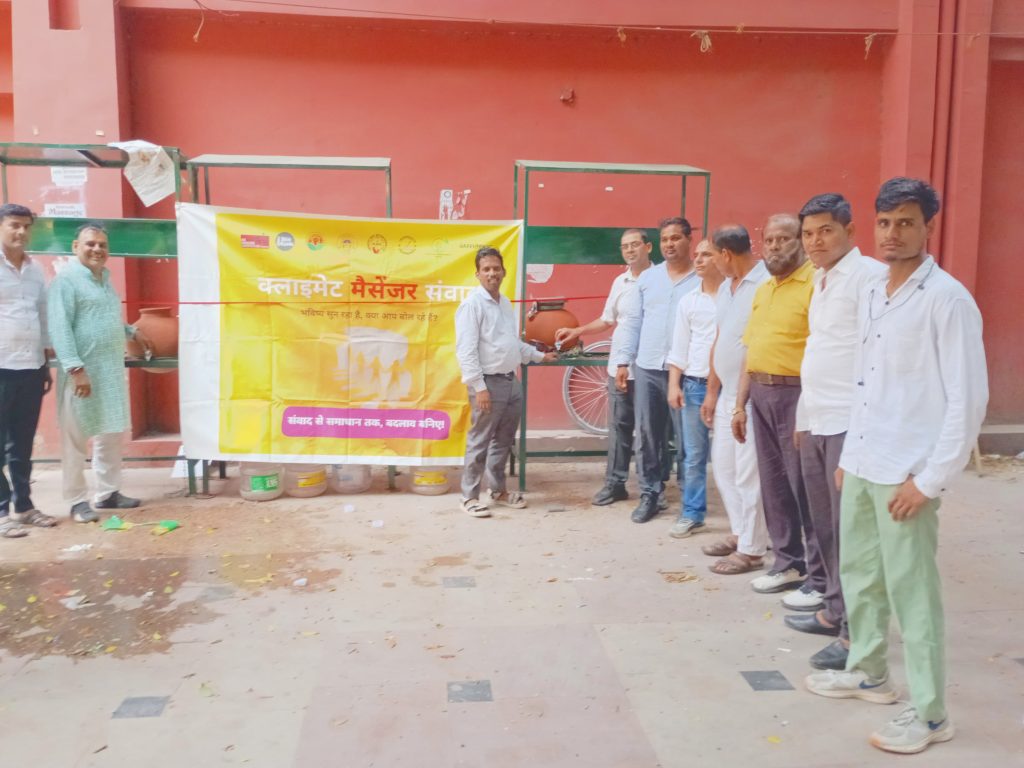
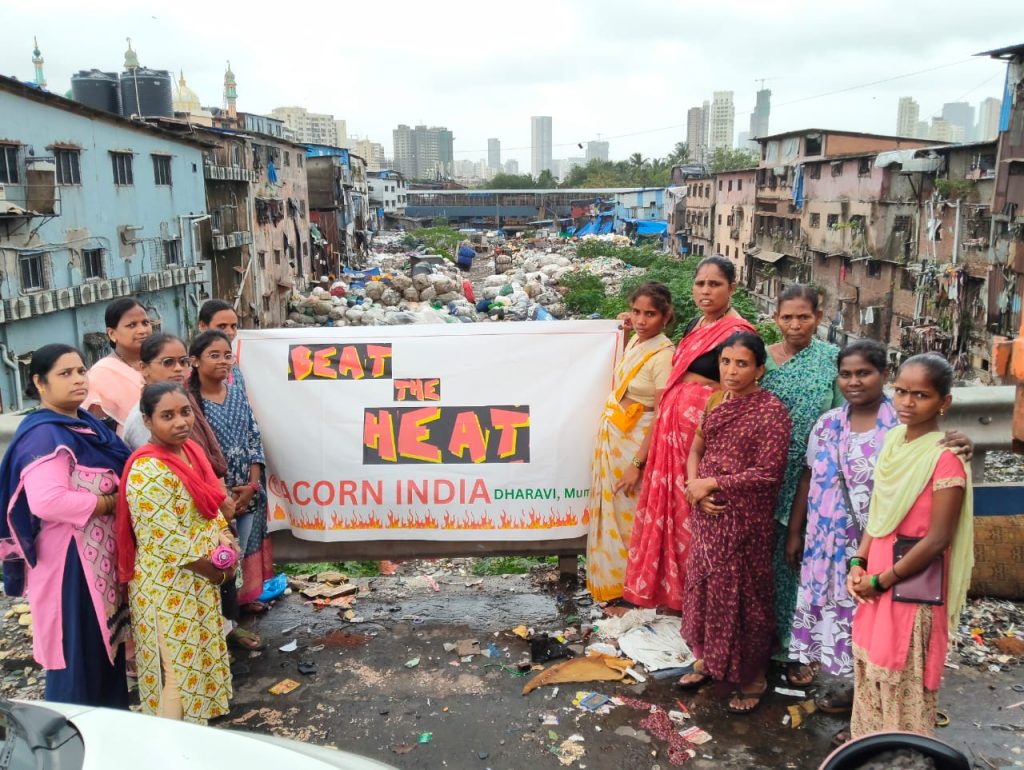
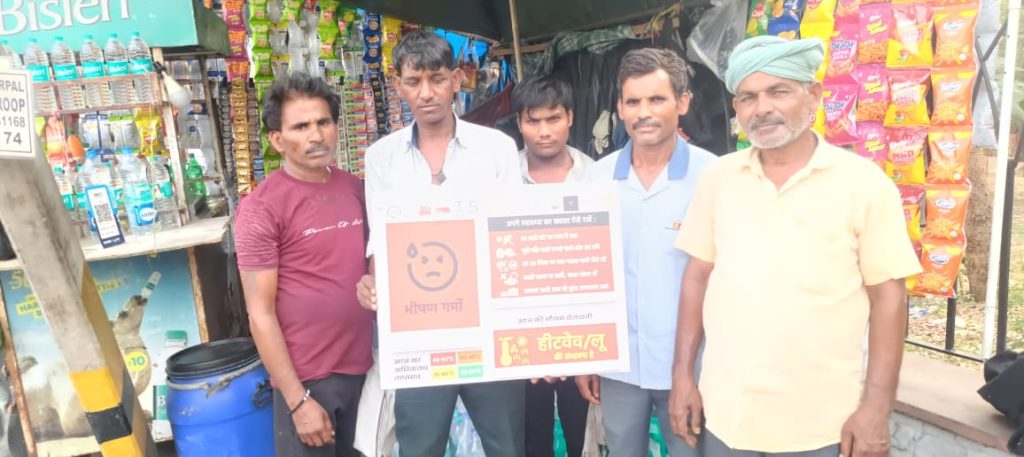
🇮🇳 India – Janpahal & GiG Workers Association (GiGWA)
India is at the epicenter of the global heat crisis, with 95 of the world’s 100 hottest cities and rising temperatures creating dangerous conditions for millions of workers.
Street vendors and gig workers face extreme heat with little protection, falling incomes, growing health risks, and increasing debt. Despite making up a large share of the workforce, they are often excluded from Heat Action Plans and climate resilience policies.
Demands:
- Access to free drinking water, shaded rest areas, and public toilets
- Heat resilient vending zones with cooling, storage, and shelter
- Recognition of extreme heat as a labor rights and occupational safety issue
- Protection from eviction and harassment for informal workers
- Meaningful participation of workers in city climate planning and Heat Action Plans
Victory:
- India’s Meteorological Department now issues public heat warnings following years of organizing and advocacy by ACORN affiliates and allies.
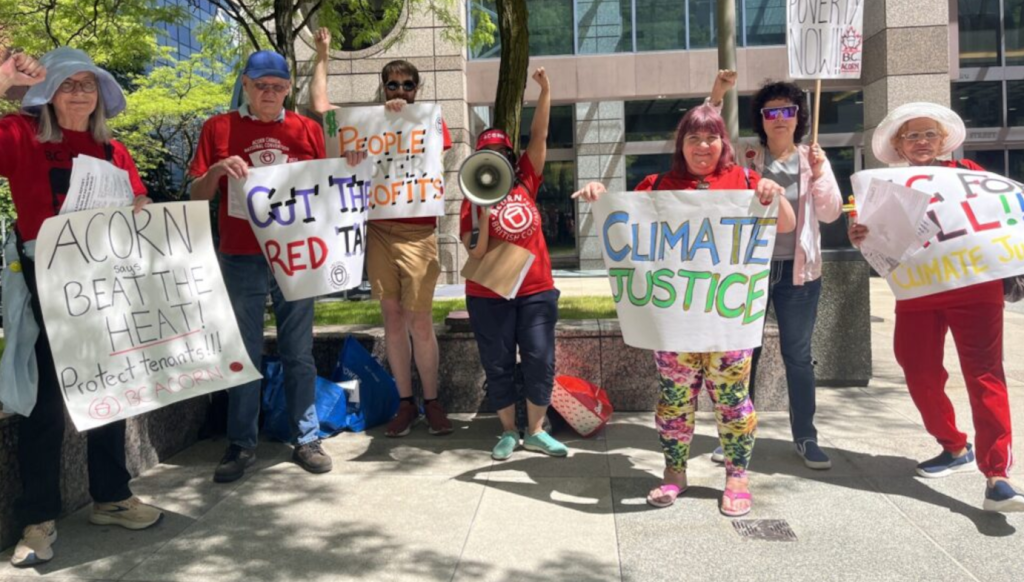
🇨🇦 Canada – ACORN Canada
As the climate crisis continues to heat up cities across Canada, low and moderate income tenants are being left in dangerously hot homes. ACORN Canada’s 2025 report, Crumbling Apartments in a Warming World, surveyed 700 tenants and found that nearly 65% live in older apartment buildings built before the 1980s, where poor maintenance and energy inefficiency make extreme temperatures even harder to endure.
The report reveals a growing climate justice crisis. Tenants across the country are experiencing poor sleep, fatigue, headaches, and worsening health conditions due to extreme heat. 44% lack access to air conditioning, while others face rising energy costs, drafty windows, poor ventilation, outdated appliances, and an inability to control indoor temperatures. Despite widespread concern about climate change, few tenants have access to government programs that could help make their homes safer, cooler, and more energy efficient.
Tenants should not bear the financial burden of adapting to a climate crisis they did little to create. Governments, financial institutions, and landlords must ensure that climate resilience measures protect both housing affordability and tenant health.
Demands:
- Affordability and anti-eviction protections in all publicly financed retrofit projects
- Energy efficiency upgrades and mechanical cooling measures for rental housing
- Coverage for all rental housing types, from townhomes to high-rises
- Tenant participation in climate planning and retrofit decision making
- Transparent agreements and Community Benefit Agreements involving tenants, landlords, and financing entities
- Maximum indoor temperature protections for tenants during extreme heat events
Victories:
- New Westminster ACORN won a rule preventing landlords from banning air conditioners and pushed the city toward Canada’s first maximum indoor temperature bylaw.
- Toronto ACORN secured a commitment for a draft maximum heat bylaw to return to City Council by May 2026.
- Ottawa ACORN helped win $100,000 in the city budget for a pilot program providing air conditioning to low income tenants.
- Hamilton ACORN won a rule requiring landlords that provide cooling to keep apartments below 26°C.
- New Brunswick ACORN launched the AC for All campaign to secure affordable air conditioning and mini-split access for low income tenants.
Across the country, ACORN chapters continue organizing for cooling justice, healthier homes, and stronger protections for tenants facing extreme heat.
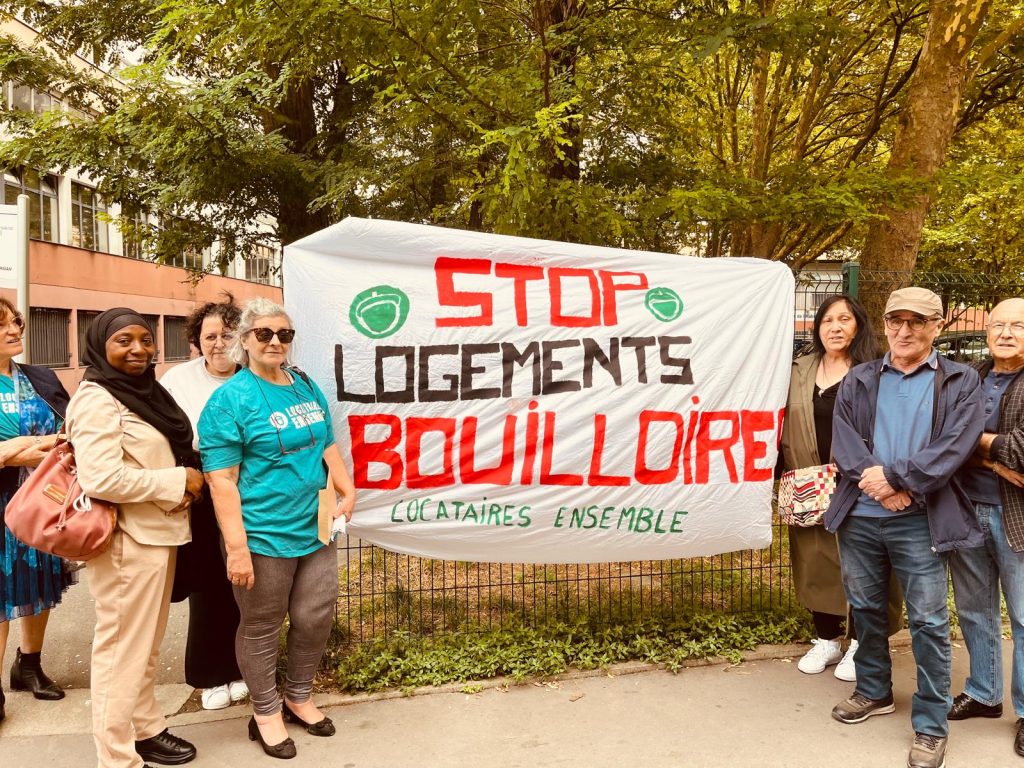
🇫🇷 France – Locataires Ensemble
Across France, thousands of tenants are trapped in “Logements Bouilloires” homes that become dangerously hot during summer heatwaves. Poor insulation, lack of exterior shutters, inadequate ventilation, and urban heat island effects can push indoor temperatures above 40°C, creating serious health risks including exhaustion, sleep deprivation, stress, and heat related illness. According to the Fondation pour le Logement, nearly one in three homes in France may be considered a “Logement Bouilloire.”
Locataires Ensemble is organizing tenants in Lyon, Villeurbanne, Paris, and beyond to expose the scale of the crisis and win protections for renters. Working alongside Territoire Zéro Logement Malade, tenants are mapping overheating homes, conducting heat diagnostics, and building collective power to hold landlords and public officials accountable. As heatwaves become more frequent and intense, tenants are demanding homes that protect health instead of putting lives at risk.
Demands:
- Mandatory installation of shutters, ventilation, and other cooling measures in overheating homes
- Recognition of overheating housing as a public health issue
- Heat resilience standards for rental housing
- Support for tenant led heat diagnostics and legal enforcement
- Stronger protections for tenants seeking climate related building improvements
Victories:
- More than 14,700 people signed a petition demanding action on overheating housing in Lyon.
- Tenant organizing secured heat audits and commitments for improvements from major landlords, including the Compagnie Foncière Lyonnaise.
- A citywide housing compliance framework addressing overheating homes is being developed in Lyon and is expected to serve as a model for other French cities.
The Logements Bouilloires campaign has helped elevate overheating housing as a national issue, contributing to legislative proposals and broader climate justice advocacy across France.
🏴 Scotland – Living Rent
Scotland may not experience the extreme temperatures seen elsewhere, but even modest increases in heat can rapidly dry out landscapes, increasing the risk of wildfires that threaten homes, communities, wildlife, and public infrastructure. Recent wildfire incidents have prompted warnings from emergency officials, who cautioned that warm, dry conditions can quickly create dangerous fire risks. As climate change brings more frequent periods of hot, dry weather, resilient and well-resourced emergency services are becoming increasingly essential.
Living Rent is organizing alongside the Fire Brigades Union, community groups, and elected officials to oppose the closure of Marionville Fire Station in Edinburgh. Campaigners argue that closure plans fail to account for thousands of new homes being built in the area and come at a time when fire services are already stretched. Freedom of Information requests revealed that backup fire engines at nearby stations were unavailable more than 1,100 times in a single year, raising serious concerns about emergency response capacity during wildfires, heat-related emergencies, and other climate-driven events.
Demands:
- Keep Marionville Fire Station open
- Protect and expand frontline fire and emergency services
- Ensure climate resilience planning accounts for population growth
- Invest in emergency response capacity for wildfires and extreme weather
- Guarantee communities have rapid access to fire protection services
Victory:
- Fire chiefs forced to abandon closure plans and conduct further analysis of fire coverage in Edinburgh
- Growing public recognition of the link between extreme heat, wildfire risk, and the need for well-funded emergency services
- Campaign now pushing for long-term investment to rebuild or refurbish the station and protect communities from future climate-related emergencies
🇨🇲 Cameroon – Syndicat des Travailleurs Saisonniers de la Filière Canne à Sucre (SOSUCAM)
Across Cameroon’s sugar cane plantations, seasonal workers face extreme heat, dangerous working conditions, and a lack of basic protections while performing physically demanding labor outdoors. In January 2025, around 4,000 workers went on strike demanding better pay and safer conditions. After two weeks of peaceful protest, the response was severe, with armed forces deployed against striking workers, resulting in the death of union member Gaston Djora and injuries to others. Despite limited wage concessions, workers continue to face unsafe conditions and a lack of formal recognition for their union.
Workers are organizing for dignity, safety, and the right to collective bargaining in conditions where extreme heat and workplace hazards directly threaten their lives and health. They are demanding an end to repression and real protections that ensure agricultural labor can be carried out safely and sustainably.
Demands:
- Decent work and fair wages for all seasonal agricultural workers
- Safe working conditions that reduce workplace injuries and deaths
- Formal recognition of the workers’ union and inclusive collective bargaining rights
- An end to union repression and retaliation against organizing
- Access to adequate onsite medical care and improved workplace health services
- Clear systems to protect injured workers, including safe return-to-work pathways and appropriate sick leave protections
- Public environmental and social risk management plans that address workplace hazards and accident prevention
Victory:
- Following the 2025 strike, SOSUCAM made limited wage concessions, but workers continue organizing for full recognition, safety protections, and the right to collective bargaining in the face of ongoing repression.
🇰🇪 Kenya – ACORN Kenya
Across Nairobi, climate change is creating a dangerous cycle of prolonged drought followed by intense rainfall, overwhelming aging infrastructure and putting low income communities at risk. Poorly maintained sewer systems are cracking during dry periods and overflowing during heavy rains, exposing residents to raw sewage, waterborne disease, and unsafe living conditions. As extreme weather becomes more frequent, communities are organizing to demand the infrastructure investments needed to protect public health and build climate resilience.
Demands:
- Repair and upgrade neglected sewer and drainage infrastructure
- Invest in climate resilient wastewater systems for low income communities
- Hold landlords and public authorities accountable for unsafe living conditions
- Prioritize underserved neighborhoods in climate adaptation planning
- Ensure meaningful community participation in infrastructure and public health decisions
🇺🇸 United States – A Community Voice & Local 100 Arkansas
Across the United States, workers are increasingly exposed to dangerous heat as temperatures rise and extreme weather becomes more common. Outdoor workers, sanitation crews, public works employees, and other frontline workers often face long hours in extreme conditions, putting them at risk of heat exhaustion, heat stroke, lost income, and long-term health impacts. While some cities and states have adopted heat safety protections, enforcement remains inconsistent and many workers are still left vulnerable.
ACORN affiliates and allies are organizing to ensure that heat protections are not only adopted but enforced. In New Orleans, A Community Voice successfully won mandatory heat protections for city and contracted workers, while Local 100 Arkansas is fighting to ensure existing worker safety standards are properly implemented and monitored. Together, these campaigns are building stronger protections for workers on the frontlines of the climate crisis.
Demands:
- Mandatory enforcement of worker heat safety protections
- Guaranteed access to water, rest, and shade during extreme heat
- Strong oversight and accountability for employers and public agencies
- Heat illness prevention training and acclimatization programs
- Utility shut-off bans during heat emergencies
- Expanded community cooling resources, heat alerts, and resilience planning
Victory:
- A Community Voice won a New Orleans ordinance requiring paid heat breaks and access to shaded or air-conditioned rest areas for city and contracted workers. The ordinance requires 10-minute paid breaks every two hours when the heat index reaches 80°F–89°F and 15-minute paid breaks every two hours when the heat index reaches 90°F or higher.
Organizers continue working with the City of New Orleans to strengthen Heat Action Plans, expand cooling protections, and build community resilience to extreme heat.
Local 100 Arkansas continues organizing to ensure existing worker protections are enforced and that public employees have the resources and oversight needed to stay safe during extreme heat events.
What We Need to See:
- Recognition of extreme heat as the new normal
- Inclusive, equitable retrofits
- Tenant involvement in all housing/climate policies
- Protections for informal and gig workers
- Heat protections for outdoor workers
Join the Movement: Across the globe, ACORN affiliates are organizing to Beat the Heat. We are demanding action from landlords, employers, and governments to protect the people most at risk.
Join your local campaign. Organize.
Take Action. Demand Change.
Email Us to Join the Global Action
Send email