Your cart is currently empty!
Category: ACORN International News
-
2025 ACORN International Organizers Conference
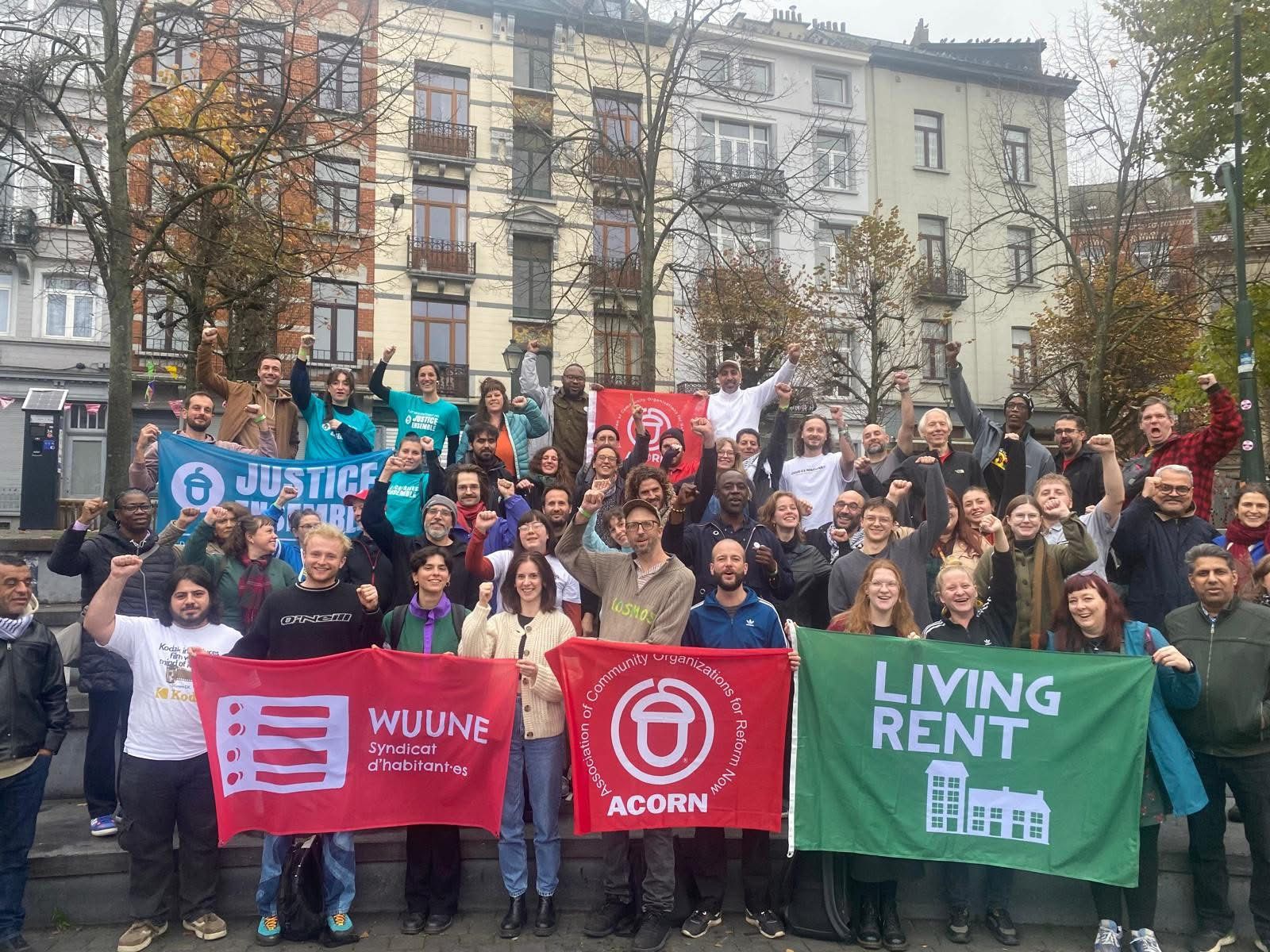
From November 7–10, organizers representing more than a dozen affiliates gathered in Brussels for the 2025 ACORN International Organizers Conference; an inspiring weekend of strategy, solidarity, and shared commitment to building working-class power across continents.
Delegates attended from ACORN Canada, ACORN Union (England & Wales), OnEstEnsemble Cameroon, ACORN France, ACORN Sicily (Justice Ensemble), Solidarjetà Belgium, PSCC Malta, Living Rent Scotland, Gig Workers India, WUUNE Belgium, as well as Local 100 United Labor Unions, and Progressive Maryland from the United States. Our Palestinian affiliate, represented by Mahmoud Soliman and Mohammed Hasan Matar, delivered one of the most powerful addresses of the conference.
Over four days, organizers shared breakthroughs and challenges from tenant unions, worker campaigns, heat-safety fights, anti-renoviction battles, rights-to-rent struggles, and resistance to displacement. We hit the doors with local partners in Brussels and Charleroi, exchanged concrete tools for recruitment and leadership development, and dug into strategies for organizing in a moment marked by rising right-wing pressure globally.
A major highlight was the presentation from the PSCC West Bank / Popular Struggle Coordination Committee, whose work defending olive groves through planting and harvest mobilization, as acts of resistance against illegal settler land grabs, moved and energized all affiliates. Their courage and practical organizing tactics will inform ACORN campaigns worldwide.
The conference closed with a renewed commitment to deeper cooperation, cross-border support, and escalated organizing in 2025. From Brussels to the West Bank, from India to Scotland, from Malta to Canada and the U.S., ACORN’s international network leaves this gathering more united, more skilled, and more determined than ever.
-

Adani Report
For nearly two decades, ACORN International has supported organizations working in Dharavi, a community of millions in the heart of Mumbai.
The report details the dangers facing residents in the face of a re-development contract granted to the Adani Group, questions about the granting of the contract and the history of the Adani Group including the serious concerns about corporate governance and criminal indictments.
Introduction

For over two decades, ACORN International has proudly worked with affiliated organizers around the world to build community power in the face of growing inequality and concentration of wealth. The “re-development” plans for Dharavi, a community of thousands of people in the heart of Mumbai in India, exemplifies that challenge.
A community that has inspired millions with its innovation is threatened with mass eviction and unemployment, while one of the world’s richest men, Gautam Adani, stands to expand his multi-billion empire. This paper outlines the issues at stake, the ways in which the struggle facing the people of Dharavi touches the livelihood and savings of people all over the world, and most importantly, the action you can take to build community power – in Dharavi and your own community.
Who is Gautam Adani?
Adani Group is the 2nd largest conglomerate in India, with a wide-range of enterprises encompassing transport and utility infrastructure, energy generation and large-scale infrastructure. The Group also includes what one report described as “a maze of Adani private companies and family trusts”. In 2023, Adani’s publicly traded equities had a collective market value of about INR 17.8 trillion (U.S. $218 billion).
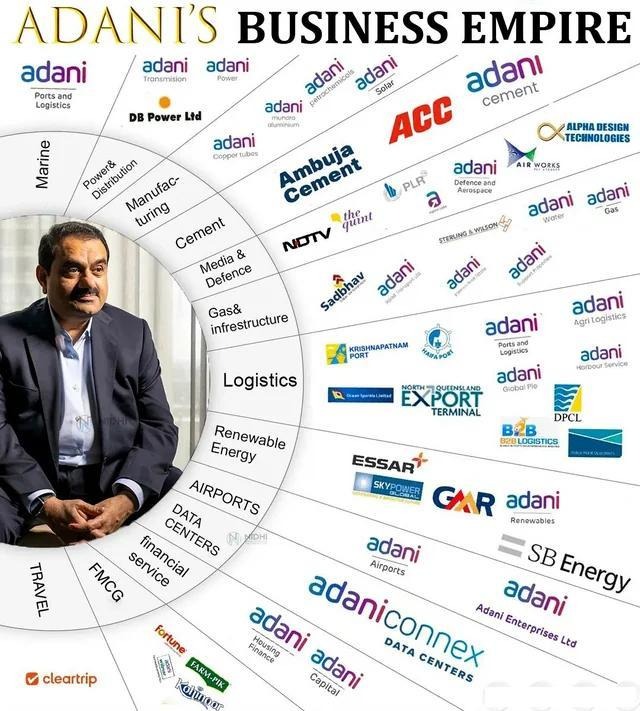
The man behind the Group is its Chairman and Founder Gautam Adani, a man who regularly tops rankings as one of the world’s richest men. In September 2022, the Bloomberg Billionaires Index ranked Adani as the second-richest person on the planet, second only to Elon Musk.
Gautam Adani originally hailed from the Gujarat region of India, moving to Mumbai in 1978. He started work in the diamond trade and moved into importing and exporting taking advantage of economic liberalisation of India’s import and export policies. By 2001, the Adani Group had developed and was operating one of India’s first private ports in Mundra in a government-sponsored “Special Economic Zone”. Soon Adani expanded into coal trading, becoming one of India’s largest coal importers by 2006, and acquiring coal mining assets in India and Australia. In 2006, Adani expanded into power generation becoming India’s largest private power producer by 2014. Today, Adani has expanded into everything from infrastructure, to property development to green energy.
Political connections and controversy
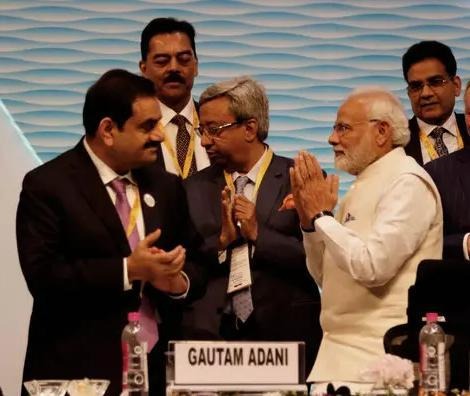
Throughout Adani’s dramatic expansion, observers point to its founder’s close relationship to Indian Prime Minister Narendra Modi and his party the BJP. Modi and Adani forged a relationship in the 1990s, long before Modi became Prime Minister. Adani has been a supporter of Modi since he was an upcoming politician in Gujarat province. When Modi was first elected Prime Minister in 2014, he flew to New Delhi in a private jet branded with the Adani logo. It’s been a prosperous friendship.
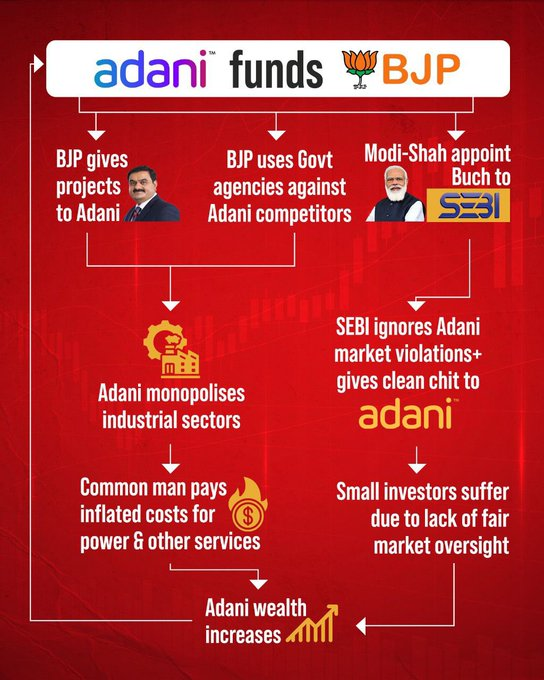
Stock in Adani’s conglomerate nearly doubled the year after Mr. Modi was elected, and expanded eight-fold when Modi was re-elected in 2019. As the New York Times describes it, “The Adani Group [has become] a logistics arm of the government, building up ports, highways, bridges and solar farms at speeds never before seen.”
Those close political connections have raised serious questions and controversy. India’s Auditor General found that between 2006 and 2009, when Narendra Modi was Chief Minister of Gujarat, the state-owned Gujarat State Petroleum Corporation bought natural gas from the open market and sold it to Adani Energy at less than market value. The land for the Mundra port was sold to Adani by Modi’s state government at a nominal price and then granted “special economic zone” status, with lowered taxes. As Prime Minister, Modi’s removed officials who opposed supplying discounted coal to Adani and other companies. In Jharkhand, the BJP-led state government exempted Adani from legal requirements when building generating facilities in Godda, saving Adani an estimated $1 billion USD. When airports in India were privatized, the initial criteria prevented Adani from bidding on the contracts. However, the rules were changed and Adani was granted six of the six 50-year leases.
Adani, in turn, has supported Modi for decades– assisting his election campaigns and helping shape his political image. “Everywhere that Prime Minister Narendra Modi goes, it seems, Gautam Adani is sure to go,” remarked the Hindustan Times in 2015.
“The Largest Con in Corporate History”?
Over the last two years, questions about Adani’s corporate governance, business practices and soundness as an investment have grown too loud to ignore.
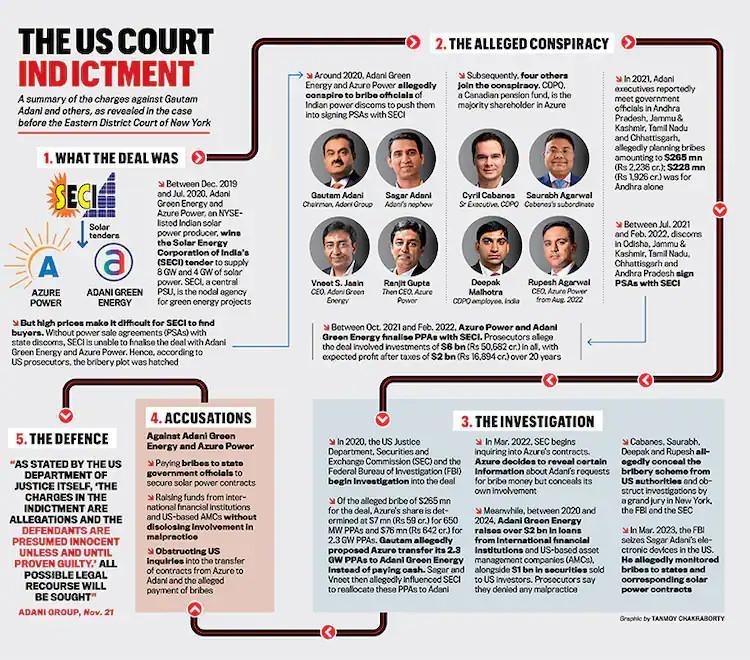
In November of 2024, a five-count criminal indictment was unsealed in federal court in Brooklyn, New York charging Gautam Adani and several associates with conspiracies to commit securities and wire fraud and substantive securities fraud. The indictment alleges that between 2020 and 2024, Adani and his associates conspired to pay over $250 million in bribes to Indian government officials to secure solar energy supply contracts with the Indian government, expected to generate over $2 billion in profits over 20 years.
Adani himself is alleged to have met with Indian officials to advance the scheme, and the indictment details in-person and electronic meetings where the bribery efforts were discussed and planned in meticulous tracking – with documents summarizing bribe payments, and even PowerPoint presentations on options for concealing the bribes. Deputy Assistant Attorney General Lisa Miller described the allegations as “schemes to pay over $250 million in bribes to Indian government officials, to lie to investors and banks to raise billions of dollars, and to obstruct justice.”
The indictment is hardly the first-time concerns have been raised about Adani’s business. In 2023, the Financial Times reported that the Adani Group used offshore intermediaries in Taiwan, Dubai and Singapore to import $5 billion-worth of coal at prices that were at times more than double the market price, inflating fuel costs and leading millions of Indian consumers and businesses to overpay for electricity.
In a 2023 report, Hindenburg Research described Adani as “The Largest Con in Corporate History” and accused the Adani Group of extensive stock manipulation, accounting fraud, and misuse of tax havens. Hindenburg described what they believed to have found as “the most egregious example of corporate fraud in history. We have uncovered evidence of brazen accounting fraud, stock manipulation and money laundering at Adani, taking place over the course of decades. Adani has pulled off this gargantuan feat with the help of enablers in government and a cottage industry of international companies that facilitate these activities.”
Many investors are looking closely at the way Adani operates. The British Columbia Investment Management Corporation has used their proxy votes to raise concerns about “problematic compensation issues” and “insiders on the board” Other investment funds have divested entirely from Adani, noting concerns about weak corporate governance and ethics guidelines.
The Government Pension Fund of Norway announced in early 2023 that they had sold all interests in Adani companies . In their “Responsible Investment 2023 Report”, they noted: “Adani, a multinational conglomerate, is a concrete example of our external managers’ approach to avoiding companies with weak corporate governance.
Early in 2023, Adani plummeted in value due to fraud allegations. Prior to these allegations and despite Adani’s significant weight in the benchmark, our external managers took the active decision to avoid investing in the Adani franchises. Their decision was based on investment and research processes that incorporate ESG [Environmental, social, and governance] information. This decision helped us avoid being significantly invested in the Adani conglomerate once the allegations became public.”
Image source: https://www.indiatoday.in/india-today-insight/story/why-its-a-rocky-road-ahead-for-adani-group-2644837-2024-12-04
Governments are reviewing their business with Adani as well. Following the US indictment, Kenya’s government cancelled a $736-million public-private partnership deal that an Adani Group firm signed with the energy ministry to construct power and cancelled a procurement process expected to reward Adani with a 30-year lease for a key Kenyan airport. Bangladesh has called for re-negotiation of a power purchase deal with Adani Group amid concerns about the contract.
The struggles facing residents of Dharavi
ACORN’s affiliates have worked in Dharavi, in the heart of Mumbai, for almost twenty years – organizing informal workers, operating community centres and youth programs.
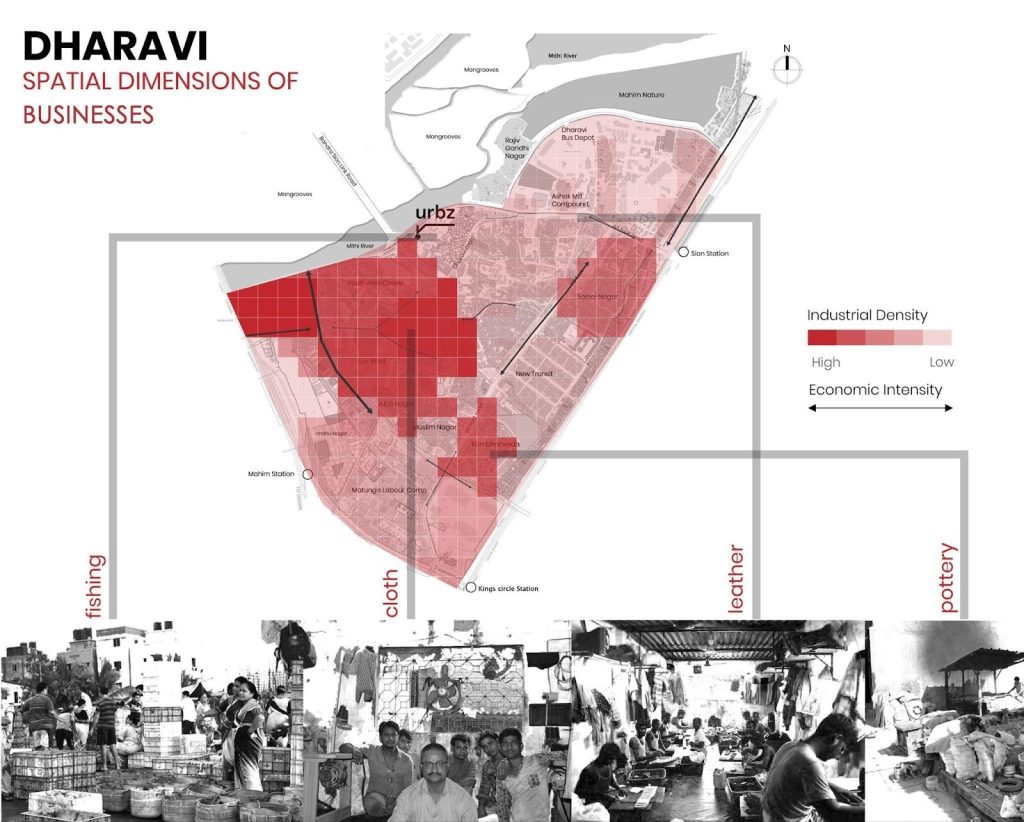
Dharavi is one of the most densely populated residential areas in the world. Based in the heart of Mumbai, the geographical area is just over 2.39 sq. km in size but supports a population of about 300,000 to a million people. For over a century, when internal migration started forcing people to move rural areas to Mumbai, new economically challenged residents found a home Dharavi.
It is sometimes derided as “the world’s largest slum” but others see a vibrant thriving and inspiring community: “within this bustling labyrinthine settlement lies the rich history of the diverse communities that call this place home…. despite its cramped quarters and challenging living conditions, the residents have managed to build a thriving micro-economy” King Charles of Britain once described Dharavi as a model community that other countries could learn from. In his book “Harmony” he wrote, “The real lesson I took from Dharavi was about the vast asset we can call community capital… We have a great deal to learn about how complex systems can self-organise to create a harmonious whole.”
Given the location of Dharavi in the center of Mumbai’s residential and commercial districts, the community has always faced developmental pressure. However, development is now coming in a way that threatens millions of people with forced eviction, loss of jobs and destruction of their community.
In November 2022, the real estate unit of Adani Enterprises was awarded the right to redevelop the Dharavi neighborhood. A re-development corporation named Navbharat Mega Developers Pvt Ltd (NMDPL) has been established as a special purpose vehicle between the Government of Maharashtra and the Adani Group, but it is the Adani Group which holds an 80% controlling stake.
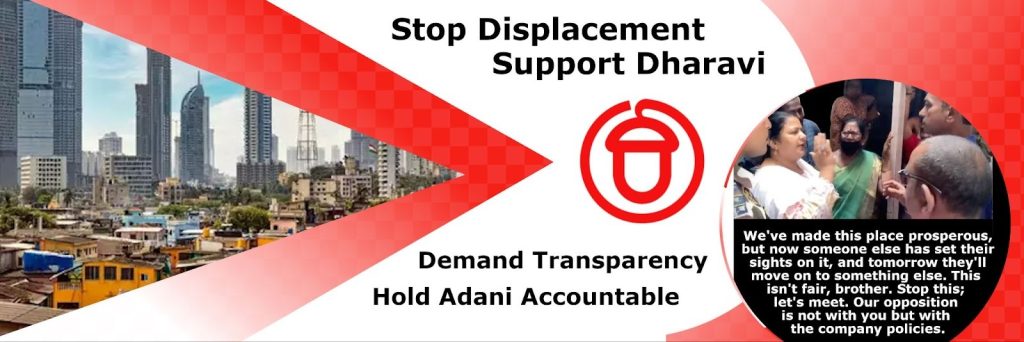
While Adani insists re-development plans will be sustainable and meet the needs of current Dharavi residents, local elected officials and residents’ groups simply do not believe them. The current Adani plan would force out all residents who are unable to prove that they have lived in Dharavi for 10 years or more without redevelopment assistance or a right-to-return. Experts predict that thousands of people are at risk of being displaced. They are calling the plan “a disaster” and some Indian leaders are calling it, “the biggest loot in modern India.”
If you have a pension, or a government is investing on your behalf, now is the time to start asking questions of your fund managers. As one of the leading conglomerates in the growing Indian economy, Adani is attracting investment from around the world. Many municipal and government workers in the Canadian provinces of Ontario and Quebec learned that the managers behind their retirement savings were investing with Adani when the U.S. criminal indictment against Adani and Adani employees was unsealed late in 2024. Three former executives from Quebec’s largest pension fund, Caisse de dépôt et placement du Québec were indicted along with Adani. The Caisse and the Ontario Municipal Employees Retirement System saw hundreds of millions of dollars of value from investment portfolios wiped out in the subsequent crash of stock.
ACORN, and the residents of Dharavi, believe there is a better way to weld development with community interests in housing and livelihood. Why is Adani evicting people from Dharavi rather than incorporating a way to weld development with community interests in housing and livelihood?

- Adani Group webpage www.adani.com
- Hindenburg Research “Adani Group: How the World’s 3rd Richest Man Is Pulling The Largest Con In Corporate History” January 24, 2023
https://hindenburgresearch.com/adani/ - Hindenburg Research “Adani Group”
Images: Times of India, Spaisa.com - Washington Post. “How political will often favors a coal billionaire and his dirty fossil fuel” December 9, 2022 https://wapo.st/42qXp9h
- Economic Times “Gautam Adani: Another Gujarati who made it big” December 8, 2007 https://economictimes.indiatimes.com/news/company/corporate-trends/gautam-adani-another-gujarati-who-made-it-big/articleshow/2605913.cms
- Business Standard “Mundra Port@25: Trailblazing entrepreneurship” November 21, 2023 https://www.business-standard.com/opinion/columns/mundra-port-25-trailblazing-entrepreneurship-123112101274 1.html
- Financial Times. “The mystery of the Adani coal imports that quietly doubled in value” October 12, 2023 https://www.ft.com/content/7aadb3d7-4a03-44ba-a01e-8ddd8bce29ed
- *The Economic Times. “The Rise and Rise of Gautam Adani” September 5, 2023 https://economictimes.indiatimes.com/biz-entrepreneurship/the-rise-and-r /biz-entrepreneurship/the-rise-and-rise-of-gautam-adani/2006/slideshow/22311259.cms
- “Washington Post. “How political will often favors a coal billionaire and his dirty fossil fuel”
- Time. “The 100 Most Influential People of 2022: Gautam Adoni” May 23, 2022. https://time.com/collection/100-most-influential people-2022/6177767/gautam-adani/
- The New York Times.” India’s Economy and Upcoming Elections” April 1, 2024. https://www.nytimes.com/2024/04/01/business/india-economy-election.html?smid-url-share Image from reddit.com
- The Economic Times. “Gautam Adani: Meet the Man Who Built a 47,000 Crore Infrastructure Empire” September 5, 2013. https://economictimes.indiatimes.com/industry/indl-goods/svs/construction/gautam-adani-meet-the-man-who-built-rs-47000-crore-infrastructure-empire/articleshow/22304960.cms
- **Washington Post. December 9, 2022
- Washington Post. December 9, 2022
- Washington Post. December 9, 2022
- *CNBC TV18, “Adani Winning Bids for Six Airports: Former Head of Privatisation Panel Explains Key Policy Changes” January 21, 2025. https://www.cnbctv18.com/aviation/adani-winning-bids-for-six-airports-former-head-of-privatisation-panel-explains-key-policy-changes-15898141.htm
- “The Economist. “Why Adani Group’s Troubles Will Reverberate Across India” February 9, 2023. https://www.economist.com/briefing/2023/02/09/why-adani-groups-troubles-will-reverberate-across-india
- United States Attorney’s Office Press Release. “Billionaire Chairman of Conglomerate and Seven Other Senior Business Executives Indicted in Connection With Scheme to Pay Hundreds of Millions of Dollars in Bribes and Conceal Bribery Scheme From U.S. Investors” November 20, 2024 https://www.justice.gov/usao-edmy/pr/billionaire-chairman-conglomerate and-seven-other-senior-business-executives-indicted
- Financial Times. October 12, 2023
- Hindenburg Research. January 24, 2023
- “British Columbia Investment Management Corporation (BCI), Proxy Voting Record July 1-September 30, 2022. https://www.bci.ca/wp-content/uploads/2023/01/01-06-PVReport-03-2022.pdf
- Reuters. “Norway Wealth Fund Has Sold its Stakes in Adani Companies” February 9, 2023. https://www.reuters.com/business/norway-wealth-fund-has-sold-its-stakes-adani-companies-2023-02-09/
- 2 Norwegian Government Pension Fund Global, “Responsible Investment 2023” February 7, 2024 https://www.nbim.no/contentassets/1a797e49fdd742e2a3282e243ed3170c/gpfg_responsible investment-2023.pdf
- *Reuters. “Kenya drops over $2.5 billion of Adani deals after US indictment” November 21, 2024. https://www.reuters.com/markets/deals/kenya-cancels-/markets/deals/kenya-cancels-proposed-deals-with-adani-group-2024-11-21/
- Reuters. “Bangladesh Wants to Renegotiate Adani Power Deal Unless Court Concels” December 1, 2024. https://www.reuters.com/business/energy/bangladesh-wants-renegotiate-adani-power-deal-unless-court-cancels-2024-12-01/
- “Times of India, “Mumbai’s Dharavi: What’s life like in Asia’s largest slum?” October 9, 2023 https://timesofindia.indiatimes.com/travel/destinations/mumbais-dharavi-whats-life-like-in-asias-largest-slum/articleshow/104286016.cms
- “Dawn, “Prince Charles hails Indian slum as model for Western life” October 9, 2010 https://www.dawn.com/news/923822/prince-charles-hails-indian-slum-as-model-for-western-life
- “National Herald “Adani-backed Dharavi Redevelopment Project changes name to Navbharat Mega Developers” December 29, 2024 https://www.nationalheraldindia.com/business/adani-backed-dharavi-redevelopment-project-changes-name-to-navbharat-mega-developers Image: urbz.net “Spatial dimension of businesses in Dharavi”
- “Financial Times. “Gautam Adani takes on plan to redevelop Mumbai’s biggest slum” November 19, 2024 https://www.ft.com/content/9bafa390-bf42-4689-ab20-25661732acef
- CBC News. “Redevelopment in the slum from Slumdog Millionaire has residents worried they’ll be forced out” March 17, 2023 https://www.cbc.ca/news/world/dharavi-slum-redevelopment-1.6780704
- “Times of India, “Congress on Dharavi project contract to Adani Group” December 17, 2023 http://timesofindia.indiatimes.com/articleshow/106065969.cms?utm source=contentofinterest&utm medium=text&utm campaign=cppst
- The Globe and Mail. “Indian Billionaire Gautam Adani, Former Caisse Execs Facing Charges in Corruption Probe” November 21, 2024″ https://www.theglobeandmail.com/business/article-indian-billionaire-gautam-adani-former-caisse-execs-facing-charges-in/
- Adani Group webpage www.adani.com
-
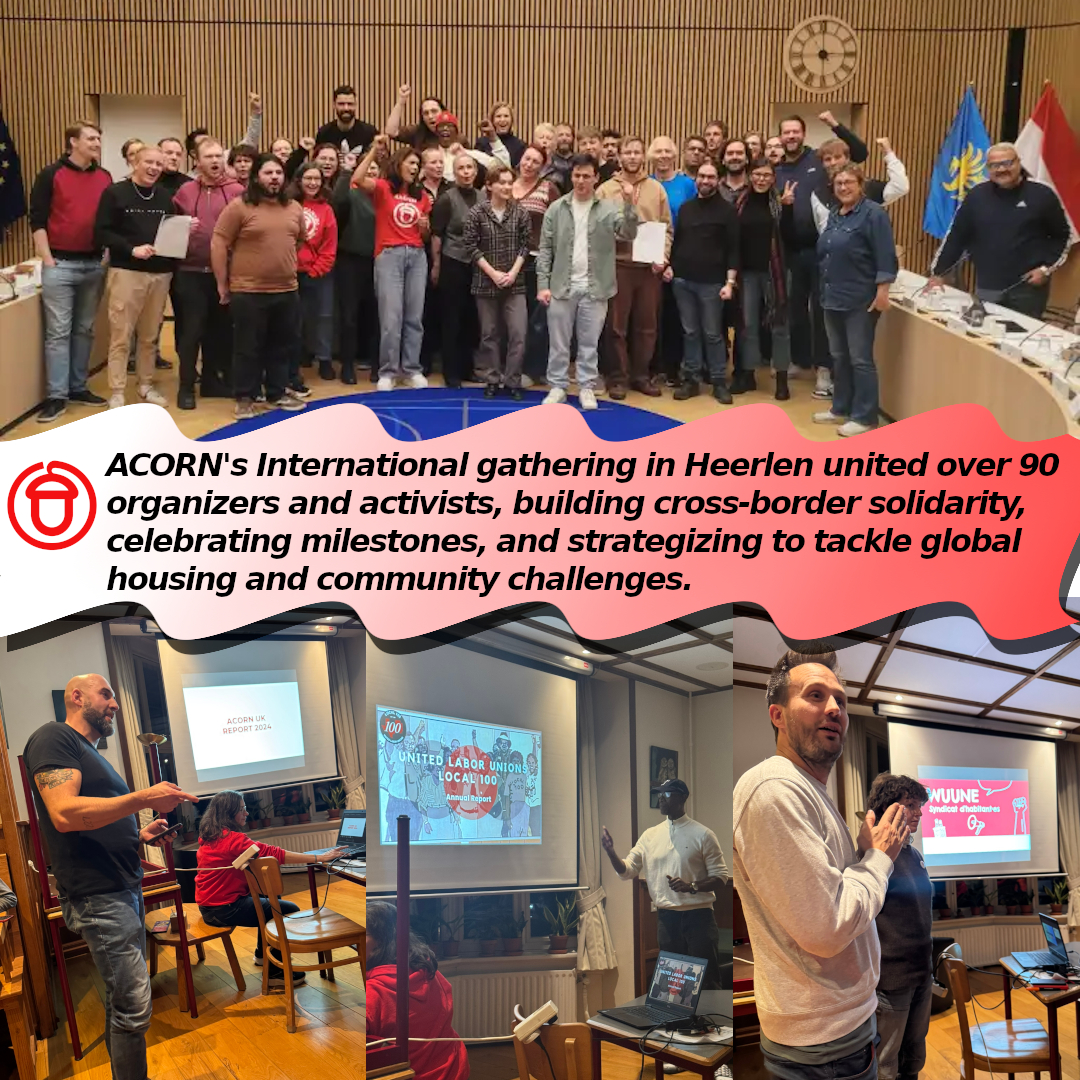
DOUBLEHEADER IN THE NETHERLANDS
Big leap forward for ACORN and organizing, if I could be so bold as to say so, as organizers and allies came together in two great meetings in Heerlen.
The first was in a surprising venue, as the ACORN Organizing School took its show on the road in the Netherlands. We were meeting in the actual circle where the Heerlen city council – all 37 members with name plates that signified their party affiliation – meets to do its regular business. In classic ACORN style, we might accurately call this a sit-in, but it was by invitation, which never happens.
Ron Mayer, our longtime comrade and friend in Heerlen, who had arranged the venue for the training, briefed me earlier on the historic architecture that informed the space. When it was built originally, Holland was 90% Catholic. The ceiling above the desks was a giant circular glasswork. The message of the design was that when the city directors opened the doors to come in, even without turning on the lights, God was watching from above.
So be it, more than 40 organizers, leaders, and activists from around the Netherlands as well as from Sicily, Belgium, India, and Malta, as well as Canada and the United States, went through an introduction to community organizing. There was door knocking and of course role plays for everyone to test their skills. We detailed the outline for an ACORN organizing drive and then jumped into issue campaigns in small groups that were tackling how to win retrofits for substandard housing, which is a global issue. Good times with good people!
Wham, bang, within hours, back at the ranch, the rest of the organizers from around the ACORN world from France and the UK were also showing up at NIVON, where we were meeting in a giant house that serves as a dormitory of sorts for meetings, small and large. NIVON is a large volunteer operation and so was dinner, except in our case, it was assigned to first to Scotland with the USA on cleanup, breakfast by Canada, and so on. New Orleans will be featuring jambalaya as a treat.
When the meeting convened, we were more than 50 packed cheek-to-jowl in the meeting room, as every country gave a report on their progress. There were the usual stars who recorded another great year. It had been the 20th anniversary of ACORN Canada and the 10th anniversary of ACORN in England, for example. Jet lag and all other obstacles took a back seat as organizers listened with great interest to the reports from new affiliates in Malta and emerging ones in Belgium and the US. We were having our first detailed briefing, so it was fascinating.
It’s always hard to win a doubleheader, but we had managed. To top it off, the debut of the translation equipment got high marks and the meeting venue itself even seem to be passing with a good grade. We’ll be at this for days, so let’s hope, we’re on a roll in Heerlen!
-
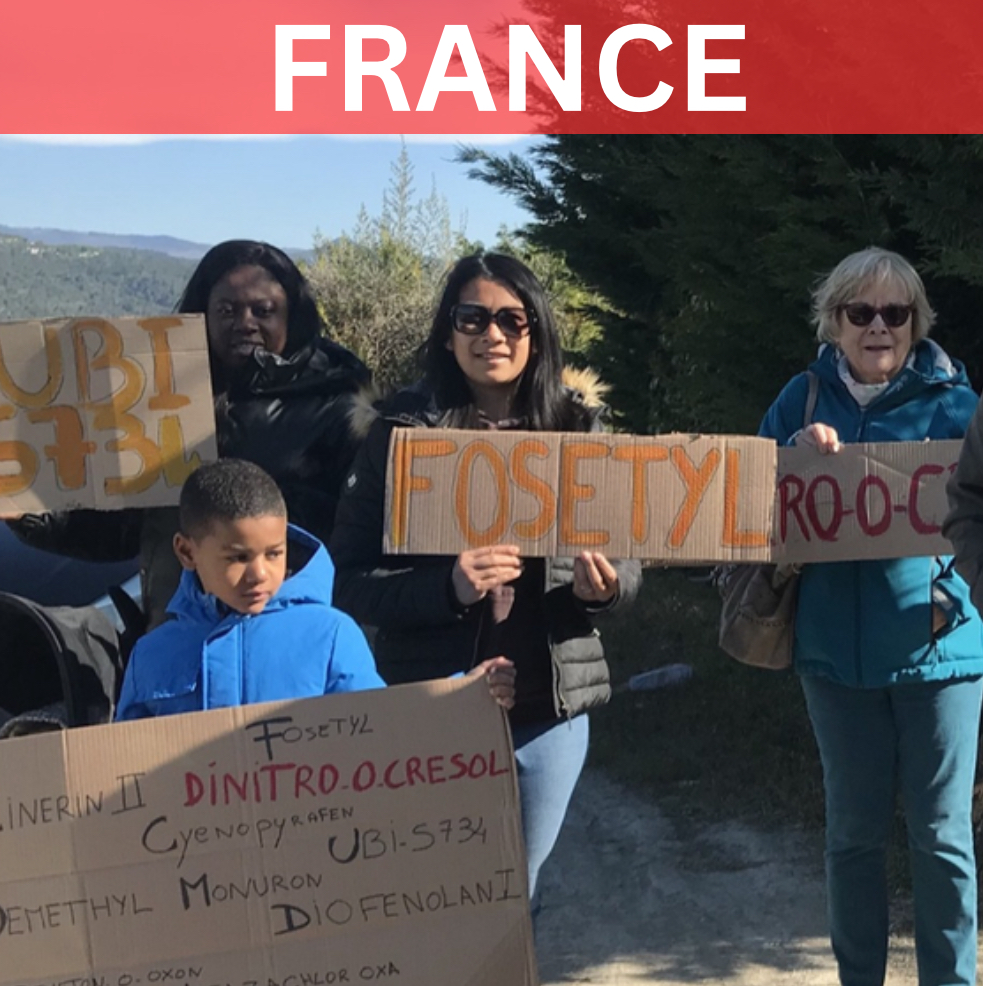
Alliance Citoyenne Kicks Off Thermal Renovation Project to Cut Bills and Boost Sustainability
Alliance Citoyenne in the Monod District came together to celebrate the start of a potential thermal renovation project on an old building, which would bring cheaper electric bills and a more eco-friendly building for residents.
-
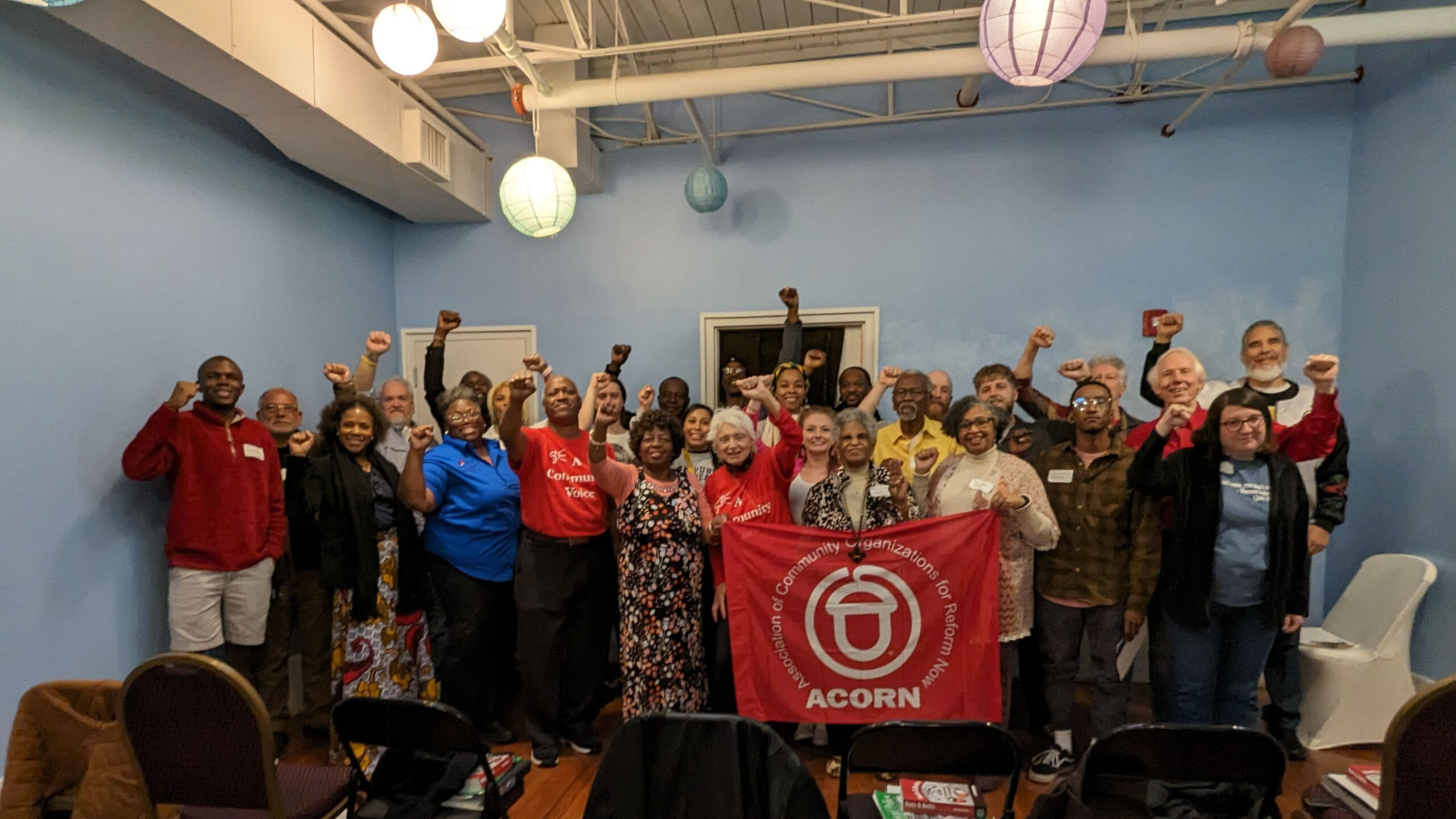
ACORN International and Anthropocene Alliance Join Forces to Train Environmental Justice Organizations
ACORN International partnered with Anthropocene Alliance to train 20 environmental justice organizations from the US Gulf Coast on the fundamentals of ACORN’s model of community organizing. It was a big success, and we’re looking forward to training dozens more organizations in Georgia, North Carolina, Pennsylvania, Ohio, and the West Coast.
-
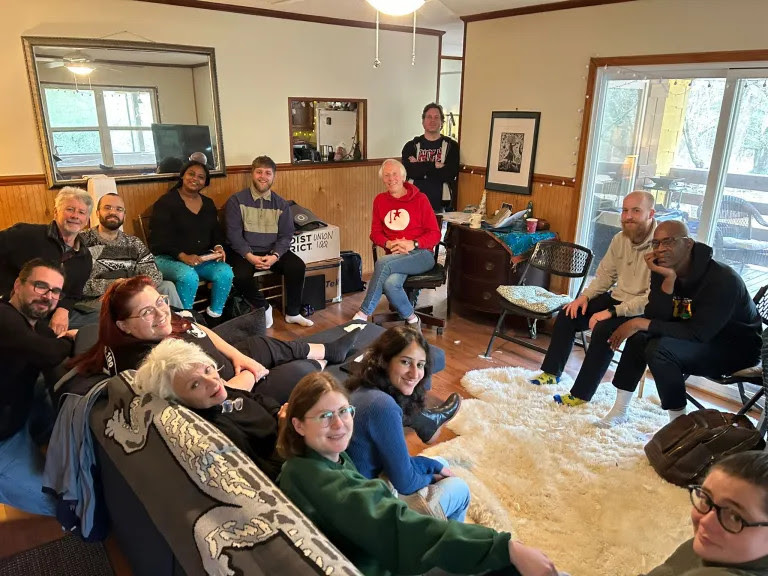
ACORN International Gathers for Vital Discussions and Climate Change Workshop in Louisiana
ACORN International held their “Year End/Year Beginning” meeting in Louisiana this month, including including a one-day training workshop on climate change in the Gulf Coast, and two intense staff meeting days. A major highlight was the critical discussions during Sunday morning’s session!
-
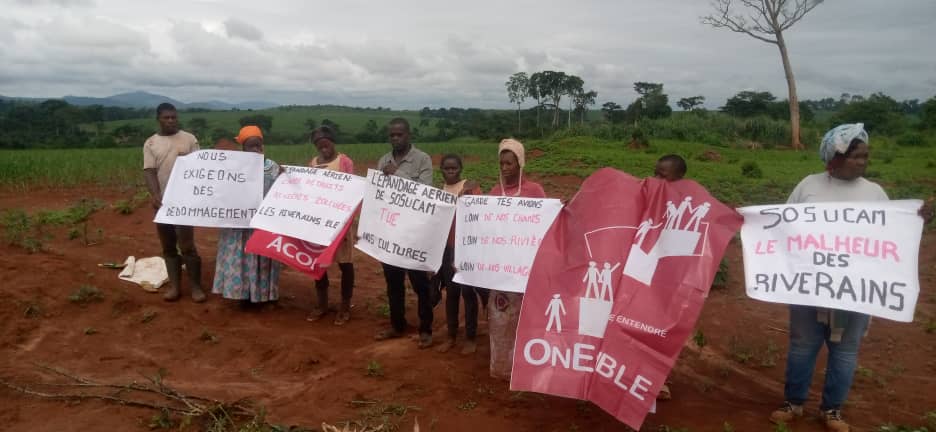
Cameroon: peasant crops destroyed by Sosucam’s aerial expanses, OnEstEnsemble organizes protest
OnEstEnsemble organized a protest with the eco-union of residents near the SOSUCAM sugar cane plantations. These residents’ crops of cassava, peanuts and yams were destroyed by SOSUCAM’s planes spraying pesticides. The residents gathered the destroyed crops and displayed signs in protest, demanding compensation.
Residents of the sugarcane plantations of the Somdiaa group, subsidiary of the French giant Castel, have been forced to uproot their production of cassava, peanuts and yams, destroyed in their fields by spraying pesticides by the company planes. Several have gathered to protest, and planned to pour their destroyed production in front of the Sosucam headquarters.
The victims demand that the company compensate them for the huge loss.
Organized in the eco-syndicate Riverains Ensemble, the peasants were already asking through a petition to stop air expansion, banned in France.
-

Historic Cutters Strike in SOSUCAM Sugar Cane Plantations
FARM WORKERS BLOCK WORK IN PLANTATIONS AND FACTORIES FOR TWO WEEKS TO PROTEST AGAINST UNWORTHY WORKING CONDITIONS
On February 23, 2022, nearly 2,000 agricultural laborers (cutters) from the Société sucrière du Cameroun (SOSUCAM) went on strike in Nkoteng to protest against the deterioration of their already precarious working conditions. The police and gendarmerie forces immediately came to disperse the crowd, using tear gas canisters. Shots were also fired and two workers were injured, in the forearm and in the thigh. After three days on strike, the agricultural laborers at the Mbandjock plantation joined the strike in the face of management’s refusal to dialogue, paralyzing work in all the plantations and factories. From 26 February to 8 March, nearly 8,000 people were suspended from work by the strike.[1]
The strike was triggered by requests for explanations issued the day before to 180 workers by their supervisors. These workers had used their right to refuse a task, deemed too difficult. The sanction imposed, while the supervisor is supposed to adjust the tasks to the density of canes to cut, was the last straw. Indeed, the conditions of agricultural laborers are much less advantageous than those of permanent workers (lower salary scale, lower premiums, no health coverage, etc.), and their status is very precarious (seasonal contracts), even though the work is technical and physical. An investigation report, attesting to the difficult conditions of workers at Sosucam, a subsidiary of the French group Castel, has just been published. [2]
Despite a large-scale strike, management did not respond to the workers’ demands: on 24 February, a press release from Sosucam announced discussions with staff representatives and stated that measures would be taken, without specifying their content, and urged the workers to return to work. The workers remained united and the strike gained momentum. New promises were made by management representatives in the following days, but the general manager remained silent and absent. The strikers refused to return to work. They demanded in particular: a significant salary increase (with a base salary of 250,000 CFA francs – €380), step increases with seniority, an increase in the performance bonus, and a reduction in task objectives.

On 1 March, Sosucam management issued a press release announcing resolutions taken in consultation with union representatives (CSAC, CSTC, USLC, CSIC, CTUC). However, no representatives of the seasonal workers, who represent nearly 90% of the workers, and 100% of the agricultural laborers, are present. The strikers, meeting every day in assemblies gathering several hundred workers, demanded a public meeting with the General Manager. He agreed and finally met with the strikers at the municipal stadium on March 3 but declared that “on issues related to wage increases and the harmonization of performance bonuses, [he] could not take a decision. The strikers refuse. “What really matters is fixed pay. The cutting bonuses, for example, are issued arbitrarily by the supervisors, we get between 1000 and 3000f for that only at the end of the month”, testifies one of the leaders of the strike. So The strike has been renewed.
On March 6, a new official statement from management was issued, announcing in particular:
- The cancellation of the 180 requests for explanations issued to agricultural laborers
- The improvement of the reception of workers in the medical centers
- The suspension of the new controversial cutting technique among agricultural laborers and the transparency (posting) of tasks and objectives
- The increase of the cutting premium from 175fcfa to 250fcfa
- The introduction of an end-of-campaign bonus of 15,000 CFA francs for all employees who have worked throughout the campaign
- The recruitment of a social mediator by the labor delegate among the agricultural laborers.
Despite measures deemed insufficient by striking workers, under pressure from traditional chiefs called upon by management, and with police and gendarmerie commando teams patrolling alongside Sosucam agents with megaphones in the neighborhoods, workers gradually returned to work on March 7 and 8. On March 9, the company was operating normally again.
The mobilization and tenacity of the agricultural laborers made it possible to obtain concrete progress, but they decided to organize themselves solidly in order to significantly improve their working conditions, and that their demands could be carried by legitimate and democratically elected representatives, thanks to the creation of a union of seasonal workers of Sosucam.

[1] The injured workers were taken to hospital in Yaoundé and the costs covered by Sosucam
[2] Castel: to the health of Africa – ReAct Transnational, February 2022 – https://www.projet-react.org/fr/elementor-10135/
-
Support Protests in Nigeria!
It’s small world. Marva Burnett, the president of ACORN Canada and ACORN International, visited several cities in Nigeria last year with her church group. She met a young man named Edem Etido in Port Harcourt, a large city much farther southwest from Lagos, the mega-city, but also along the Gulf of Guinea, nearer to Cameroon. I talked to Edem via Skype about his interest in organizing ACORN Nigeria, and how we could get him some training. I promised to visit him when I was scheduled to be in Nigeria. The pandemic postponed that visit three times with the latest now pushed back to the spring of 2021, but in the last week I’ve heard from Edem several times via Facebook and email. Protests have broken out in Port Harcourt and throughout the country, triggered initially over police brutality suffered by young people, but now expanding to a host of other issues over corruption, the economy, and the inaction of government.
His message was simple and straightforward, as he wrote,
The youths in my country need international support for what we are advocating for at the moment. I guess you’ve heard or watched the protest that’s ongoing in Nigeria now?
The hashtag that’s trending on Twitter now #EndSars #EndPoliceBrutality is the ongoing protest by the youths here because, the (SARS) which means-Special Anti-Robbery Squad, have gone out from what their primary duties are, which is to protect lives and properties of the Nation and citizens. All they do is intimidate, harass, and extort youths at gunpoint while also killing youths for no reason, because nobody is gonna query or prosecute them.
We’ve been on this for more than a week now and all our governments could do is just make verbal and audio promises which they have been doing way back since 2015 and we are fed up with fake promises, so we demand full action, and that’s why the protest is ongoing.
We just heard that they are going to send the military to intimidate and shoot at us for the peaceful protest. No country has said anything about this and it’s not fair. I don’t know how ACORN International could help to make this protest go round over there, so as to get the international attentions we need.
If I hadn’t heard of these protests already from Edem, and if you hadn’t heard of them yet, there was a front page picture that jumped later to a story in the Wall Street Journal, because the protests shut down the city of Lagos along with its airport and main thoroughfares.
How can we help? There’s a petition that the young people hope to send to the United Nations that you can sign. You can also make a donation to support the protests. As the article points out, “More than 55% of Nigerians are underemployed or unemployed and youth unemployment is even higher, according to official statistics. More than 90% of Nigerians work in the informal sector….” People in Nigeria are desperate for change, so anything we can do, small or large, helps make that possible.
-
Actions in Cameroon
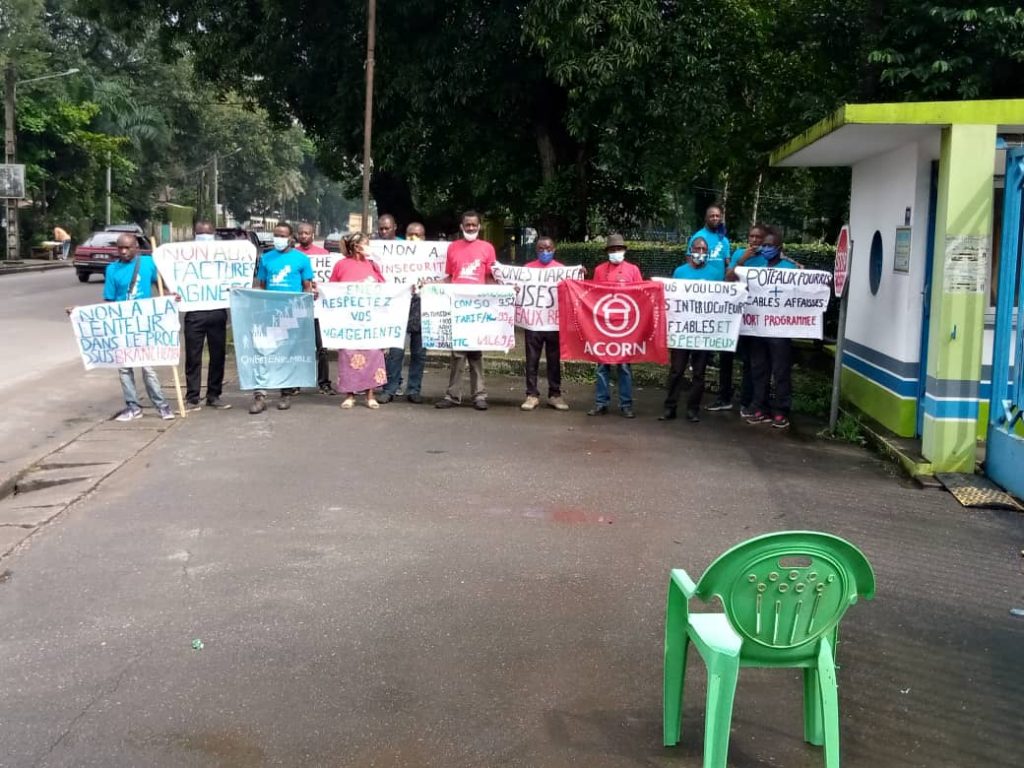
In Douala, Cameroon, ACORN International members staged an action to push the electricity company Eneo to negotiate and solve issues of dangerous infrastructures and overcharging in bills. Members blocked the entrance to Eneo headquarters, using an empty chair to symbolize the removal of their interlocutor, and the communication interruptions.